EOR vs PEO: What’s the best infrastructure expansion model for 2026?

All human resource processes become “HR” because companies need to build operational systems across their entire organization. The basic question which EOR and PEO systems solve for expansion in 2026 needs to address your requirements for hiring through remote means and your current human resource capabilities. Both models work. They just solve different growth headaches.

Before we begin, one quick clarity notes for readers. EOR here stands for Employer of Record which enables companies to hire workers and manage their payroll. The term does not refer to Enhanced Oil Recovery which is another meaning of this term. The term infrastructure encompasses international payroll systems benefits distribution systems compliance systems and data management systems and their associated hiring processes which need to adhere to regulations.

EOR vs PEO Explained: What’s the Difference in 2026?


EOR vs PEO Explained: What’s the Difference in 2026?


EOR vs PEO 2026 for expansion teams

The legal distinction between two entities exists as their most fundamental difference. The EOR system establishes your worker as a legal employee in their specific location while your company maintains control over their daily operations. The PEO approach enables you to share employer responsibilities with your organization which keeps fundamental employment rights. The IRS explains that PEOs operate as third-party payer arrangements and, in many cases, the client still stays responsible for employment taxes and filings unless specific provisions apply. (Source: IRS PEO third-party payer guidance)

Your expansion strategy shows the “difference” through your expansion approach. Your business needs to implement remote hiring rules and local onboarding practices and compliant payroll systems for new markets which require fast market entry. Your organization needs to implement benefit systems and payroll management systems which require dedicated human resource staff for every organization to achieve better HR operational outcomes. That’s why EOR vs PEO 2026 decisions often track one truth: infrastructure first, admin second.

What Is an Employer of Record (EOR)?


What Is an Employer of Record (EOR)?


when to use an EOR for fast infrastructure expansion in 2026

An Employer of Reord (EOR) enables you to expand your business operations because it provides you with full-time international worker services through its local employment services in your target market. The main function of an EOR allows businesses to hire international employees while bypassing the need for a local office because the EOR acts as the main employer who handles all worker responsibilities. The international staffing model provides organizations with effective solutions for recruiting personnel because it enables them to create international employment agreements which simplify payroll operations and necessary legal obligations and workplace regulations that verify employee status.

The practical components come into view after the main idea has been established. Effective EOR systems establish employment law compliance procedures through the development of contract templates which meet local labor regulations and necessary statutory benefits for workers and the essential tax filing and payroll processing activities. The solution allows you to follow employee termination regulations because different countries have different termination procedures which can create legal challenges from what appears to be a straightforward employee exit process. An EOR system functions as a complete international employment system because it enables organizations to manage human resources during the process of hiring employees.

What Is a Professional Employer Organization (PEO)?


What Is a Professional Employer Organization (PEO)?


when to choose a PEO for HR strength in 2026

PEOs serve as operational partners for organizations which require staffing assistance to run their United States-based operations. The PEO model often uses co-employment. The co-employment model allows your organization to delegate specific duties to the PEO while maintaining authority over its daily operations. The shared structure can upgrade how you manage HR and payroll, how you handle employee benefits, and how you standardize hiring processes across states.

The audience needs to understand the CPEO concept. A Certified Professional Employer Organization according to the IRS defers to the tax code regulations which require PEOs to undergo a certification process with the IRS. The purpose of certification exists to establish trust between the two parties who will conduct tax assessments. The 2026 deadline matters because growth teams require operational efficiency together with diminished payroll interruptions.

EOR vs PEO: Models Compared


EOR vs PEO: Models Compared


which is better PEO or EOR for infrastructure expansion in 2026?

When you evaluate models, you should assess them as operational systems instead of using trendy language. An EOR is often the faster path for hiring employees in another country because it is designed for cross-border employment where you may not have an entity. A PEO function better than other systems when your business requires complete HR support for payroll benefits and HR operations management across all locations. Your specific expansion pattern will determine which option functions best for your organization regardless of how big your company is. You can use this comparison table to verify the correctness of your evaluation. The model evaluates both models as infrastructure components which demonstrate their typical performance during growth phases that occur with EOR and PEO. What’s the best infrastructure expansion model for 2026?


Dimension EOR model PEO model
Best fit best option for international hiring and fast entry HR optimization for an existing entity
Entity needed Often supports hiring without local entity Usually assumes you have an employing entity
Core value employer of record infrastructure + compliance wrapper Co-employment HR partnership + admin leverage
Compliance focus global compliance framework across countries Payroll, benefits, HR policy support
Contracts Supports employment contracts abroad Supports employment administration
Exit complexity Helps navigate employee termination rules by country Helps manage HR processes, but exits are still employer-driven


EOR as Global Infrastructure vs PEO as HR Optimization


EOR as Global Infrastructure vs PEO as HR Optimization


HR operating model thinking for 2026 expansion

View EOR as a temporary bridge that you can use. The system provides you with payroll and legal authority in areas where you have not established your business yet. Teams refer to EOR as an international recruitment solution which businesses use to enter new markets at high speed. The solution provides EOR as a legal framework which decreases your risk when you start hiring staff in new countries during worldwide expansion. (Source: Velocity Global EOR guide)

The PEO solution operates like power steering because it enables businesses to improve their processes of recruitment and onboarding and benefits management and payroll processing. PEO becomes the suitable solution when your main problem involves HR overload instead of entering new countries. The system enables payroll cost control because it establishes standardized processes which decrease the need for internal administrative tasks although organizations still require strong internal HR management. EOR functions as a framework which enables businesses to expand their operations to international markets. PEO functions as a solution which improves HR performance.

Key Differences Between EOR and PEO You Must Know


Key Differences Between EOR and PEO You Must Know


Compliance details that decide the deal in 2026

The biggest difference is who sits in the legal employer chair. The EOR structure establishes your organization as the daily work supervisor while the provider takes on the role of legal employer for workers at that specific work site. Your company keeps its employer role while both your organization and the PEO share specific responsibilities under their PEO agreement. The client maintains responsibility for taxes and filings when they outsource payroll services except for specific cases which allow obligation transfer. The single point creates different impacts on risk management and auditing procedures and regulatory response methods.

The second difference is how each model handles local complexity. EOR work requires extensive knowledge about local labor regulations and statutory requirements and specific procedures which govern employee leave and public holiday and termination processes. PEO work requires organizations to handle HR tasks and benefit management within a national system. Compliance risk management produces different results because of this reason. EOR enables you to monitor both the vendor controls and the country compliance requirements. PEO requires you to monitor three elements which include co-employment agreements and payroll operations and internal HR governance.

EOR vs PEO Pricing Models and Cost Breakdown


EOR vs PEO Pricing Models and Cost Breakdown


Pricing differences between PEO and EOR through mathematical calculations

The pricing system functions as a vendor assessment system which determines their operational choices. The majority of EOR providers implement a monthly charge for each employee which also includes extra expenses that result from statutory requirements and local payroll responsibilities. PEO vendors use payroll-based fees or employee-based fees to calculate their total charges which depend on the client’s benefits and administrative systems. PEOs receive payment through a payroll-based compensation system which PEO contracts use as their standard payment method. The complete pricing system requires you to examine its details beyond the main price information.

The most effective method to assess EOR pricing and PEO pricing and HR outsourcing expenses requires you to create a comprehensive cost model. The cost calculation needs to consider payroll taxes and statutory benefits and administrative expenses and the onboarding and offboarding operations and the time required for vendor management. The following table provides a practical cost checklist which organizations can use during payroll cost management discussions while actual payroll rates differ from one organization to another.


Cost bucket What to include for EOR What to include for PEO
Core fee EOR pricing monthly per employee PEO pricing admin fee or payroll-linked fee
Benefits Statutory + optional top-ups Plan premiums + admin + compliance
Compliance work tax filings and payroll compliance + local reporting Payroll filings support + shared admin steps
Legal exposure Termination, contract, local rules Co-employment contract obligations
Hidden costs FX rails, local filings, vendor audits benefits admin, HR process integration


PEO or EOR: How to Choose the Right Model for Your Business


PEO or EOR: How to Choose the Right Model for Your Business


Best option for international hiring competes with the best option for domestic optimization.

EOR serves as a solution for businesses which need to establish their presence in new markets through quick development while experiencing minimal setup challenges. Organizations can use EOR to hire remote staff from different countries who need to wait for their business registration process to finish. The solution becomes essential when a company needs to test their new market through remote staff hiring and distributed team creation which requires strict compliance. The majority of EOR definitions include this benefit which allows businesses to operate without needing a local business registration. (Source: Velocity Global EOR guide) PEO serves as the appropriate solution for organizations which already possess an operational entity but their HR scaling requirements impede their expansion. PEO solutions enable businesses to establish consistent payroll processes which handle employee benefits and human resources operations. The hiring process across multiple states becomes more efficient through PEO partnerships.

Can You Switch from PEO to EOR as You Scale?


Can You Switch from PEO to EOR as You Scale?


A clean switching roadmap for 2026 growth teams

The ability to switch between PEO and EOR exists for businesses as they expand their operations. The most common pattern of 2026 shows companies starting with PEO to solve their HR problems before they move to EOR for their international hiring needs. The switch process requires a controlled migration approach which should not be treated as a rapid vendor replacement process. You need to maintain payroll cycles and benefits delivery and employee communications at all times because your company has employees working across different locations.

The case study shows how switching systems works through a straightforward example. The SaaS company operates in Texas and California while using a PEO to enhance its employee benefits and human resources management. The company requires immediate recruitment of employees for its Canadian and German operations. The company first establishes an EOR for its worldwide workforce before it reaches its employee limit in Germany. The company uses EOR first for speed, then shifts to a longer-term structure when the market proves itself. The international employment models of 2026 operate in their natural employment rhythms.

How e-square EOR Platform Are Transforming Global Expansion

 

How e-square EOR Platform Are Transforming Global Expansion


EOR platforms and the new baseline for speed and trust

In 2026, how e-square EOR provider deliver compliance workflows. The good part is speed. Our advanced EOR platform enables organizations to handle their digital employee onboarding needs while executing document workflows and establishing secure audit trails. The risk leads people to believe things which do not exist. e-square enables document processing but we need legal reasoning to ensure contracts meet compliance standards across all legal jurisdictions. Our EOR platform ensures how it handles local requirements for contract management and termination procedures and statutory benefit calculations.

Conclusion

The best method for infrastructure expansion in 2026 requires analysis according to EOR vs PEO because the answer needs testing. The answer requires EOR because you need to hire employees worldwide through fast international operations which include built-in compliance solutions. The PEO system provides businesses with enhanced HR capabilities which enable them to manage payroll and benefits through more efficient operations. The majority of businesses use both solutions during their growth journey. The final rule requires you to follow this complete guideline. EOR is your compliant global hiring solution when you need hiring employees in another country fast and safely. The human resources system needs PEO to enhance its operational capabilities. Your vendor selection process needs to focus on vendors who demonstrate their control processes while offering clear explanations of local regulations and maintaining your global compliance system without introducing hidden difficulties.

FAQ’s

What is the difference between a PEO and EOR model?

A PEO shares employer responsibilities under co-employment and requires your own entity, while an EOR becomes the legal employer and hires without an entity.

Which is better for small businesses, a PEO or an EOR?

A PEO suits small businesses hiring locally with an entity, while an EOR is better for small teams hiring internationally.

What are the three types of PEO?

Standard PEO, Certified PEO (CPEO), and Administrative Services Organization (ASO).

How can I hire a worker in a country where I don’t have an entity?

You can hire through an Employer of Record (EOR), which legally employs the worker on your behalf.

How does a PEO affect my employees?

Employees work for you day-to-day, while the PEO manages payroll, benefits, and HR administration.

What is Manpower Outsourcing and how do PEO and EOR Models Work in 2026?

Business can’t be one size fits all Modern business has to tiptoe the line between growth, compliance and efficiency while minding an increasingly complicated landscape of workers. Manpower Outsourcing Solution provides a realistic approach to this issue, Companies can outsource hiring, payroll processing and employee compliances to specialized vendors and focus on strategy & performance. In addition to outsourcing, each of the international workforce PEO & EOR models has become a necessary game-changing tool for companies who are expanding around the world or multi-locally.

These models make employment easy by handling the legal complexities, local labor laws and statutory responsibilities on behalf of employers. Combined, the 3 service models of manpower outsourcing, Employer of Record and Professional Employer Organization make up a flexible and compliant structure to accommodate scalable hiring, effective cost management, and uninterrupted business operations within highly competitive global markets.

What are PEO and EOR models?

What are PEO And EOR Models?


PEO stands for Professional Employer Organization and EOR stands for Employer of Record.

These are like ways that companies use to get manpower outsourcing services.

The PEO model is when a company like PEO takes care of all the employee things for another company.

The EOR model is when a company like EOR becomes the boss of the employees for another company.

Manpower outsourcing services using PEO and EOR models work in a way.

A company tells the PEO or EOR what kind of people they need to work for them.

Then the PEO or EOR finds those people. Takes care of all the paperwork and other things.

This way the company can just focus on their work. Let the PEO or EOR handle the manpower outsourcing services.

Manpower outsourcing services are very useful, for companies because they save time and money.

The PEO and EOR models make it easy for companies to get the people they need to work for them.

Manpower outsourcing services and PEO and EOR models are used by companies nowadays.

Companies these days have to deal with a lot of things at the time. They need to grow follow the rules and be efficient. At the time they have to manage a workforce that is getting more and more complicated.

Manpower Outsourcing Services are a way to handle things like hiring, payroll and making sure everything is done correctly. This means companies can focus on what they want to achieve and how they want to perform.

Manpower Outsourcing Services can really help companies. There are also ways companies can manage their workforce like PEO and EOR.

These models are very important for companies that want to expand to countries or have offices in many different places. Companies that use Manpower Outsourcing Services and models, like PEO and EOR can do business in locations.

These models make it easier for companies to hire people by taking care of the stuff like labor laws and rules for the employers. Manpower outsourcing, Employer of Record and Professional Employer Organization solutions all work together to create a system that’s flexible and follows the rules. This system helps companies hire people easily control costs and keep their business running even in markets where there is a lot of competition. Manpower outsourcing, Employer of Record and Professional Employer Organization solutions are important for companies to succeed.

What Is Manpower Outsourcing?

What is Manpower Outsourcing?


Simple definition of outsourced hiring manpower and contract staffing

Manpower outsourcing is when a company finds and hires people to work for another company. This company takes care of everything like recruiting and employing the staff. Then they send these people to work for the other company. The people who are hired can work in different jobs like working with customers doing office work or handling money. They can even work on projects. These people can work from the company’s office or they can work from home. Manpower outsourcing is used for jobs, including jobs in customer service jobs in human resources and jobs, in finance. Manpower outsourcing helps companies get the people they need to do jobs and the company that finds and hires the people takes care of all the details.

When you look at it from the client’s point of view these workers seem like team members. They do what they are told everyday use the client’s systems and help the client reach their goals. If you think about it from a legal and human resources point of view the company that outsourced the work usually handles things, like employment contracts paying the workers taking out taxes and keeping track of human resources records. People often call this way of doing things contract staffing. Sometimes they call it third-party payroll or staff augmentation.

How staff augmentation connects with EOR and PEO models

This is how staff augmentation works with Employer of Record and Professional Employment Organization models.

Staff augmentation is a way that businesses can get the people they need to do jobs. It is related to Employer of Record and Professional Employment Organization models. These models are used by companies to manage their staff. Staff augmentation is a part of this because it helps companies find the right people for the job. Employer of Record and Professional Employment Organization models are useful, for businesses that need to hire staff augmentation workers.

Many companies that work in lots of countries and local businesses that are getting bigger use something called manpower outsourcing. They often use this together with something called Employer of Record services or Professional Employer Organization.

This is also known as co-employment. Manpower outsourcing and these services help these companies and businesses manage their employees.

When a company uses an Employer of Record model the provider is the one who becomes the employer. This means that companies from countries can hire people who live in that area without having to set up their own company.

On the hand if a company uses a Professional Employer Organization model and they already have their own company the provider helps with things, like managing payroll and benefits for the employees. The provider also makes sure the company is following all the rules. Even though the provider is helping with these things the company is still the employer of their workers.

When we think about it using staff augmentation and EOR hiring and PEO services together can be a thing. It gives us options when we are planning our workforce. At the time it helps employers follow the rules that are set by the local government like labor laws and tax laws and social security regulations. This way employers can focus on their business. Make sure they are doing things the right way, with staff augmentation and EOR hiring and PEO services.

How a Typical Manpower Outsourcing Model Works

How manpower outsourcing model wporks?


Step 1: Understanding workforce requirements

A typical engagement starts with a talk about what the employer needs for staffing. This talk usually includes what kind of jobs they need to fill how people they need what skills and experience are required what languages they need to speak where the jobs are, what hours they have to work and if the jobs are going to be permanent or just for a project. The employer will also say if they need people for a time or just, for a short time. They want to know all about the jobs they need to fill including the job roles the number of positions and the required skills and experience.

When a company works with an outsourcing provider the provider can find out what the company needs during this discovery phase. The outsourcing provider can then suggest a custom manpower outsourcing solution for the company. This solution is made to fit the company’s industry, size, locations and the kind of risks it faces. The outsourcing provider makes sure the solution is just right, for the employer. The employer gets a manpower outsourcing solution that is tailored to the employer’s industry, size, locations and risk profile.

Step 2: Talent sourcing and shortlisted profiles

When we know what we are looking for the provider uses its networks and databases including any existing staff they have outsourced to find people who might be a fit. They look at the profiles that seem okay and make a list of the ones based on what we have agreed on. The provider checks the profiles of these candidates to see if they are really suitable for the job. They do this by looking at the information, in the databases and networks of the provider including the staff they have outsourced. The provider then makes a shortlist of the profiles that fit what we are looking for.

When it comes to the interview the person in charge at a company can decide to do it themselves. They can ask someone else to make the final decision about who to hire. This way the company makes sure they get the person for the job and it does not take too much time. The company has a plan for hiring people and the person making the decision has to follow that plan. This helps the company get the person, for the job and it also saves time when they are looking for someone to hire.

Step 3: Employment contracts and compliant onboarding

When the company chooses a candidate, they usually give them an employment contract that follows the labor law in that area. This contract says what the salary will be, how hours they have to work how much time off they can take and some basic rules they have to follow at work. The company also. Checks some standard documents from the employee and they sign them up for things like the Employees Old Age Benefit Institution and social security in their province if that is something they are eligible, for.

The company sets up payroll in the currency. This means that people get paid in the money that is used in their country. The company also arranges for hospital coverage for employees when this has been agreed upon. So, workers can get healthcare benefits from the start of their job with the company. This is a thing because employees can get the medical help they need from the beginning of their work, with the company, which is payroll and medical benefits.

Step 4: Day-to-day operations, scaling and exits

When people work for a company on a basis the workers who are not actually employed by that company do what the company tells them to do. They use the company’s computer systems. They have to report to the company’s bosses. The company is still in charge of making sure the workers are doing a job and that the work is good quality. The company that is providing the workers takes care of paying their salaries paying taxes writing letters, about workers and keeping records of the workers.

When an outsourced worker needs to be replaced or the employer wants to increase or decrease the number of workers the provider takes care of making these changes. They manage the notice periods handle the process of letting people go and do the payments according to the law and the company rules. This makes it easier for employers to adjust the number of workers they have based on what’s happening in the market and they can do it in a way that is organized and follows the rules.

Why companies shift to staffing and HR outsourcing?

Why companies shift to staffing and HR outsourcing?


Companies are now looking at new ways to do things. They want to see what will work best for them. Many companies are starting to use staffing. They are also using HR outsourcing.

The reason companies are doing this is that they want to save time and money. Outsourced staffing and HR outsourcing can really help them. Companies do not have to spend a lot of time finding staff. They do not have to spend a lot of money on training staff either.

Outsourced staffing and HR outsourcing are becoming very popular. More and more companies are starting to use them. Companies like staffing and HR outsourcing because they are easy to use. They are also very good at what they do.

Companies will keep using staffing and HR outsourcing. This is because they really work. Outsourced staffing and HR outsourcing are the future. Companies are shifting to outsourced staffing and HR outsourcing because it is what is best, for them.

So many companies have a lot of work to do when it comes to managing people and staffing. To make this easier many companies are now using staffing solutions and HR outsourcing. This means they do not have to have a human resources department. They can work with companies that already have a pool of talented people, standard ways of doing things, payroll systems and they know all about following the rules. These companies are experts, in resources and can really help with staffing solutions and HR outsourcing.

When companies work with companies, they can get to know good people who are already checked out. This helps them hire people faster and get help with things like HR. It also helps reduce problems makes things run smoothly and creates a stable work environment in all their offices, stores and other places especially when they have locations, in many different cities or areas.

Key Benefits of Manpower Outsourcing services for Employers

Key Benefits of Manpower Outsourcing services for Employers


Strategic business advantages of outsourcing workforce management

When a specialist takes care of recruitment, onboarding, HR documentation, payroll processing and statutory compliance the leadership teams get back the time and attention they need. They can use this time to focus on important things.

Managers do not have to deal with HR issues all the time. They can focus on things, like revenue making the product better building customer relationships and planning for the term. This way recruitment, onboarding, HR documentation, payroll processing and statutory compliance are taken care of. Managers can do their main job.

Flexible and scalable workforce quickly across country

One good thing about manpower outsourcing is that it gives you a workforce. When you are really busy like during peak seasons or when you are launching a product, you can get more people to help you. When things slow down like when the demand is low or a project is finished you can cut back on staff. This is really helpful in industries where you need numbers of people at different times like in retail, FMCG, logistics, field sales, construction, BPO and shared services. Manpower outsourcing is great, for these kinds of industries because it lets you change your workforce as you need to.

Companies do not have to stick with a number of employees when they use outsourcing and staff augmentation. This means they can get the people they need without having to keep them on the payroll all the time. The outsourcing and staff augmentation model gives companies access to a workforce that can be changed to fit the real needs of the company and the outsourcing and staff augmentation model is very helpful, in this case.

Faster hiring, quick replacements and business continuity

Lots of companies that provide workers on a basis have a group of people who they have already checked out. These people can do jobs and work in different places. This means that when a job becomes available the company can hire someone away instead of having to start looking for someone all over again. They do not have to begin from the start every time they need to fill a job opening. This is because the temporary worker company already has manpower outsourcing staff who’re ready to work.

When employees decide to leave their job or need to take a time off it is often easier to find someone new from the group of people we already know. This helps to reduce the time that the work is not getting done it helps to keep the service to our customers at the level and it keeps everything running smoothly whether our teams are in the main office or in other cities. The talent pool of replacement candidates is really important for this. Replacement candidates, from the talent pool can be found quickly.

Compliance support and multi-city coordination

For employers another good thing is that they get help with following the rules. A company that has been doing this for a time can make sure that the contracts they have with their employees are fair and follow the laws of the place they are in. They can also help with things like EOBI and social security making sure that the right amounts are paid. They can take care of payroll taxes so that everything is done correctly and recorded properly. This way employers do not have to worry about making mistakes with employment contracts and things, like EOBI and social security contributions and payroll taxes.

When companies work in different places it is really helpful to have one provider that can take care of everything. This provider can help manage the people who work for the company pay them and make sure everything is done correctly in all the cities and areas where the company operates. This makes things a lot simpler because the company does not have to deal with different vendors or use many different systems, inside the company. The company can just work with one provider. That provider will take care of the manpower, payroll and compliance for the entire company.

Who Should Consider Using Manpower Outsourcing Services?

Who Should Consider Using Manpower Outsourcing Services?


This is for people who want to know about manpower outsourcing services. Manpower outsourcing services are for companies that need help with workers. These companies should consider using manpower outsourcing services. Manpower outsourcing services are good for businesses that want to save time and money. They are also good for companies that need workers for a time.

Manpower outsourcing services can help these companies. The companies that should consider manpower outsourcing services are the ones that need workers but do not want to hire them time. Manpower outsourcing services are the answer, for these companies.

Local companies seeking HR and payroll outsourcing

Local businesses that have a time keeping staff or do not have a lot of people to handle human resources, especially those with offices in many cities often think that getting outside help with manpower and human resources is a good idea. This way they do not have to keep arranging interviews sending out job offer letters and dealing with questions about pay. They can give these tasks to someone who specializes in this kind of work and still be in charge of what their employees do every day. Local businesses, like this can really benefit from manpower outsourcing and HR outsourcing.

This way is really good for businesses and medium-sized companies. It is also good for family businesses and mid-sized companies. These companies want to get help from professionals for things like managing people and paying employees. They do not want to have a team of people inside the company to do these things. They want to get this help from outside without having to build a human resources department, for the company.

International companies building remote teams

Companies from countries often look to this country for people with good skills who do not cost a lot of money. For these companies it is an idea to hire people from outside and use something called Employer of Record services. This way they can have a team of people working for them from away or a team that works together in the same place and from far away without having to set up a whole new office, in that country right away. They can just use manpower outsourcing and Employer of Record services to make it all work.

In this situation the provider is like the boss for the staff. The provider takes care of things like employment contracts and payroll. They also handle things with institutions. The client organization is, in charge of making sure the team does their work correctly and does a job. This way of doing things can make it easier for companies to get started in a place and it can also make things happen faster like testing new ideas or starting small projects or making support centers for the team.

Full Employee Lifecycle Management

Full Employee Lifecycle Management


From onboarding to offboarding under one outsourcing partner

Manpower outsourcing Partners have a lot of things going for them. One of the things about manpower outsourcing Partners is that they can handle everything that has to do with an employee from start to finish. This means that one manpower outsourcing Partners can take care of finding employees getting all the paperwork done helping them get started keeping track of when they come and go, paying them giving them basic help, with human resources keeping records of how they are doing and even helping them leave the company when it is time. Manpower outsourcing Partners can really do it all.

For companies that do business in different provinces the rules and how they are enforced can be very different. This can be a problem. Having one partner to help with these things can make life a lot easier. It can reduce the amount of paperwork and the chance of missing documents. This is because the company will have one partner for these functions. The central partner, for these functions can really help companies that do business in provinces.

Integration with payroll outsourcing and benefits administration

Manpower outsourcing usually happens together with payroll outsourcing. This also includes managing things like EOBI and social security contributions. It also includes handling hospitalization benefits for employees. When we do all these things in a way it helps us pay salaries on time. It also helps us make payments for statutory contributions.. It makes the process of handling benefit claims much smoother for manpower outsourcing and payroll outsourcing. This is really helpful, for manpower outsourcing and payroll outsourcing.

When using people to do work for you becomes a good thing for your business

Using other people to do work for you can be a good idea. It can help your business in ways. You can get skilled people to do the work for you. This means you do not have to spend time and money to train them.

You can also save money on things like equipment and office space. The people you hire can work from their place. They can use their equipment. This can be very helpful for your business.

* It can help you save money

* It can help you get people to do the work for you

* It can help you focus on the work of your business

When you use other people to do work for you it is called manpower outsourcing. Manpower outsourcing can be a thing for your business. It can help you in ways. Manpower outsourcing is when you hire people to do work for you. This can be an idea. It can help your business grow. Manpower outsourcing becomes a thing, for your business when it is done correctly.

Manpower outsourcing is not about getting some help. It can be an useful tool for businesses. This is because it lets companies move into areas quickly try out new business ideas with teams that can change easily and take care of rules and regulations without too much trouble. It also gives leaders time to think about new ideas and focus on customers. When you use manpower outsourcing with something called EOR and PEO models it makes it easier to create and lead teams, in Pakistan in a way that is controlled and can grow as needed.

Why Manpower Outsourcing Services Are Growing in Pakistan?

Why Manpower Outsourcing Services Are Growing in Pakistan?


Manpower outsourcing services are becoming really popular in Pakistan. The reason manpower outsourcing services are growing in Pakistan is because they help companies. Manpower outsourcing services are a help to these companies in Pakistan.

This is why manpower outsourcing services are growing much in Pakistan. Manpower outsourcing services are the option for many companies in Pakistan. Many people think that manpower outsourcing services are the future of Pakistan.

Manpower outsourcing services are changing the way companies work in Pakistan. The growth of manpower outsourcing services in Pakistan is very fast. This is a change, for Pakistan and manpower outsourcing services are a major part of it.

The hidden overhead cost of in-house hiring and HR operations

Businesses in Pakistan usually begin by hiring people to work for them and taking care of everything on their own. They make job advertisements look at the resumes that people send in talk to the people who want to work for them make contracts for the people they hire keep track of who’s at work give people their salaries and find new people to hire when someone leaves their job. When a business is small this is not too hard to do. When the business gets bigger and has many people working in different parts of the company and in different cities it starts to cost a lot of money to take care of all of these things and this can be a big problem for businesses, in Pakistan.

Senior managers and business owners usually get stuck with recruitment and HR problems. They should be focusing on customers and strategy instead. When important staff members leave without notice or take a time off things can go wrong because there is no one to replace them. At the time the company can get into trouble if they do not pay things like EOBI contributions, provincial social security payments, income tax withholding and other things they are supposed to do according to Pakistan labor law. If they miss these payments or do them incorrectly it can cause problems. Doing everything in-house can become very slow and expensive over time. It can also be fragile and prone, to mistakes.

How e-square Global Partners Can Support Manpower Outsourcing in Pakistan?

How e-square Global Partners Can Support Manpower Outsourcing in Pakistan?


e-square Global Partners is a company that can really help with manpower outsourcing in Pakistan. They have a lot of experience in this field. They know what they are doing. e-square Global Partners can support manpower outsourcing in Pakistan by finding the people for the job.

They can help companies find workers who have the skills they need. e-square Global Partners can also help with the paperwork and other things that companies need to do when they hire employees in Pakistan.

The main thing that e-square Global Partners does is manpower outsourcing. They are very good at it. e-square Global Partners can help companies in Pakistan save time and money by taking care of the hiring process for them.

e-square Global Partners is a choice for companies in Pakistan that need help with manpower outsourcing. They are reliable. They get the job done. e-square Global Partners can support manpower outsourcing, in Pakistan in ways.

For organizations that want to turn these ideas into something they can really use e-square Global Partners offers:

  • Manpower outsourcing and outsourced staffing across major cities in Pakistan
  • Employer of Record (EOR) and PEO support for companies inside and outside Pakistan
  • HR, payroll, EOBI, social security and medical/hospitalization facilitation under one model

Employers in Pakistan or outside of Pakistan can talk to us about the problems they are having with staffing and human resources. We do not care if they have an office in Pakistan or not. If they tell us what they need we can help them make a plan, for hiring people and handling human resources that works for them. This plan will help them do what they want to do handle risks and grow their business. E-square can really help employers with this.

Conclusion:

Manpower outsourcing is really useful when it is used with PEO and EOR models. This is because manpower outsourcing has changed over time. It used to be a way to find staff for a short time. Now it is a way for companies to manage their workforce in a way. Companies can give the job of finding staff paying them taking care of HR tasks and making sure they follow the rules to other companies that specialize in these things. This helps companies reduce the risk of something going wrong be more flexible and keep their business running in different locations. Manpower outsourcing is good for companies that want to make their HR work easier. It is also good, for businesses that want to build teams of people who work from different places. These models help companies manage their staff in a way that follows the rules and can grow with the company. Manpower outsourcing and the PEO and EOR models make it easy for companies to find and manage the people they need. As regulatory requirements and workforce expectations continue to grow in complexity, partnering with an experienced manpower outsourcing provider enables businesses to stay focused on growth, innovation and customer value while ensuring their people operations remain structured, compliant and strong.

FAQ’s

What is manpower outsourcing?

Manpower outsourcing is when a company hires employees through a third-party provider that manages recruitment, payroll, HR and compliance.

What is an example of outsourcing services?

Using an external firm for payroll processing, customer support, IT services or contract staffing is a common outsourcing example.

What are the 4 types of outsourcing?

The four main types are onshore outsourcing, offshore outsourcing, nearshore outsourcing and manpower (staff augmentation) outsourcing.

What are the benefits of outsourcing?

Outsourcing reduces costs, improves efficiency, ensures compliance and allows companies to focus on core business activities.

What type of company is manpower?

A manpower company is a workforce solutions provider that supplies outsourced, contrac, or temporary staff and manages HR and payroll.

Hire Employees in Pakistan 2026 : How EOR & PEO Services Make It Possible

Pakistan offers a deep pool of skilled professionals across technology, finance, customer support and operations, making it an attractive hiring destination for global businesses. However, many companies hesitate due to the cost and complexity of setting up a local legal entity. This is where modern workforce solutions create a smarter path.
With Employer of Record (EOR) and PEO services, organizations can hire employees in Pakistan legally, quickly and compliantly—without registering a company locally. These models allow businesses to access top Pakistani talent, manage teams remotely and stay fully compliant with labor laws, payroll and statutory requirements, while focusing on growth rather than administrative and regulatory burdens.

Why Global and Local Companies Want to Hire employees in Pakistan?

Why Global and Local Companies Want to Hire employees in Pakistan


The challenge of setting up a legal entity in Pakistan

Establishing an entity in Pakistan generally entails registering with various agencies opening domestic bank accounts handling tax enrollments and adhering to numerous labor and legal requirements. This process can be costly, lengthy and frequently avoidable if you are:

  • Exploring the market
  • Starting with a small remote team
  • Running a temporary or project-based operation
  • Unsure about your long-term headcount strategy

For many organizations, a full legal entity is an over-commitment at an early stage.

Risks of informal hiring and contractor-only models

Certain firms attempt to avoid the complexity by engaging people as contractors or compensating them unofficially. Nonetheless this may lead to risk:

  • Misclassification of an employee as a contractor
  • Non-compliance with Pakistan labor laws, tax regulations, EOBI, and provincial social security
  • Exposure to penalties, litigation, and reputational damage

A framework that integrates compliance, governance and adaptability is essential. This is the role served by Employer of Record in Pakistan and PEO co- frameworks.

What Is an Employer of Record (EOR) in Pakistan?

What Is an Employer of Record (EOR) in Pakistan


An Employer of Record (EOR) acts as your legal employer in Pakistan. While you continue to oversee the work your EOR partner handles all matters concerning employment, payroll and legal compliance.

Simple explanation of Pakistan EOR services

In practical terms:

  • You, as the client organization, choose the candidate, manage daily tasks, define KPIs, and oversee performance.
  • Serving as your Employer of Record in Pakistan officially hires the employee in Pakistan provides a contract manages payroll oversees benefits and guarantees compliance with all local requirements.

This enables you to function as though you possessed an organization without genuinely establishing one.

Core responsibilities of an EOR partner in Pakistan

Within the EOR framework E Square generally assumes accountability for:

  • Drafting and signing locally compliant employment contracts in Pakistan
  • Managing employee onboarding and verification
  • Processing payroll, in PKR and distributing salary slips
  • Deducting and depositing statutory contributions to the relevant authorities
  • Handling EOBI (Employees’ Old-Age Benefits Institution) and Provincial Social Security registrations and contributions
  • Managing income tax withholding on salaries
  • Arranging medical and hospitalization coverage according to the agreed plan
  • Managing offboarding, full and final settlement, and issuing experience letters

You secure a compliant worker based in Pakistan without incurring the expenses and challenges associated with establishing and managing a local branch.

What Is a PEO (Professional Employer Organization) in Pakistan?

What Is a PEO (Professional Employer Organization) in Pakistan


While EOR is perfect if you lack an entity a PEO solution in Pakistan is better suited when you have an established Pakistani company but choose not to develop a complete HR, payroll and compliance framework internally.

When to choose a PEO co-employment model

Under the PEO model:

  • You continue to be the employer in Pakistan.
  • A Professional Employer Organization acts as your co-employer handling HR, payroll and compliance duties.

This proves beneficial when your team is expanding but you prefer not to handle intricate labor regulations organizational interactions or standard HR tasks on your own.

Shared HR and compliance responsibilities

Through a PEO arrangement in Pakistan, e-square can:

  • Prepare and manage HR documentation and employment contracts
  • Process monthly payroll and salary disbursements
  • Administer EOBI and Social Security for employees
  • Coordinate with medical and health insurance providers
  • Manage day-to-day HR support such as leaves, letters, and attendance
  • Guarantee continuous adherence, to labor laws and address inspection requirements

In summary you concentrate on operations and expansion whereas a professional manages Pakistan HR outsourcing and payroll administration.
How Should Use EOR & PEO Services in Pakistan?

How Should Use EOR & PEO Services


International companies without a local entity

If you represent a company employing remote workers in Pakistan without having a registered entity there an EOR solution is perfect. You have the option to:

  • Hire one or multiple employees quickly
  • Test the market before committing to a full local setup
  • Work with an Employer of Record in Pakistan that complies with regulations

International companies with a local entity but no HR infrastructure

If you currently possess a presence yet do not have a robust HR and compliance
function a PEO service in Pakistan enables you to:

  • Outsource HR operations, payroll, and statutory obligations
  •  Minimize the chance of mistakes, in labor, tax and regulatory compliance

Local companies within Pakistan

Domestic organizations may also gain from Pakistan HR outsourcing and manpower outsourcing solutions when they:

  • Want to outsource HR, payroll, and benefits administration
  • Need access to a pool of pre-screened outsourced staff for projects, seasonal demand, or replacements
  • Choose to concentrate on business activities while an expert handles employee lifecycle and regulatory compliance

PEOs provide service delivery across all regions in Pakistan – be it your business operations in Karachi, Lahore, Islamabad, Faisalabad, Peshawar, Quetta or even, in areas.

How Employer of Record Hiring Works in Pakistan – Step by Step

How Employer of Record Hiring Works


Step 1 – Defining your hiring requirement

Start by outlining your personnel requirements, for Pakistan:

  • Job title and detailed job description
  • Salary range and benefits structure
  • Work model (remote, hybrid, onsite)
  • Expected joining timeline and any specific compliance or sectoral requirements

This enables us to create the EOR recruitment solution in Pakistan tailored for your company.

Step 2 – Talent sourcing and shortlisting

You can. Bring a pre-selected candidate or request EORs to assist with local talent recruitment, in Pakistan. In that scenario they aid in narrowing down candidates according to your role- qualifications and experience needs.

Step 3 – Job offer and local employment contract

After the chosen candidate is finalized:

  • Pakistan-compliant employment agreement is Provided by e-square through our legal entity.
  • Every employment condition – including salary, working hours leave entitlements and benefits – complies with your expectations and the local legislation.

Step 4 – Onboarding and statutory registrations

Throughout the onboarding process EORs oversee:

  • Collection and verification of employee documents
  • Registration with EOBI and Provincial Social Security where applicable
  • Payroll setup for tax and contribution calculations
  • Enrollment into medical and hospitalization plans when included in the package

You incorporate the employee into your systems, team environment and reporting structure as a part of your organization.

Step 5 – Monthly payroll, HR administration and compliance

Every month, EORs:

  • Processes salaries in Pakistani Rupees (PKR)
  • Deducts taxes and statutory contributions and deposits them to relevant authorities
  • Generates salary statements and keeps payroll documentation up, to date
  • Oversees continuous EOBI and Social Security payments
  • Coordinates with healthcare providers to ensure smooth administration of employee medical and hospitalization benefits in Pakistan

You get billing and transparent reports while employees obtain salaries and benefits that are both compliant and punctual.

Step 6 – Performance changes, role updates or exit

You continue to be responsible, for performance and making decisions. Should there be a requirement to modify the role, salary or structure—or terminate employment—EORs:

  • Advise on legally compliant termination procedures in Pakistan
  • Manage notice periods, documentation, and final settlements
  • Complete offboarding and issue relevant letters and records

This guarantees that both the staff member and your company are safeguarded by regulations.

Outsourced Manpower and Ready Staff Pool Across Pakistan

Outsourced Manpower and Ready Staff Pool


A primary operational benefit of collaborating with EORs is the availability of a workforce outsourced in Pakistan.

EORs keep -evaluated applicants available, for positions including:

  • Administration and back-office support
  • HR and payroll operations
  • Customer support and call-center roles
  • Field staff, coordinators, and project resources
  • Finance and accounts
  • Selected technical and IT functions, depending on engagements

This allows EORs to:

  • Promptly substitute employees when an individual resigns or is unavailable
  • Provide temporary or interim staff during extended leave periods
  • Ramp up teams for seasonal or project-based demand

By utilizing a workforce across Pakistan your operations stay consistent and continuous.

Compliance and Labor Law Protection in Pakistan

Compliance and Labor Law Protection


Managing labor laws, EOBI, Social Security and tax

The employment landscape in Pakistan consists of tiers:

  • Federal and provincial labor laws and shops & establishments regulations
  • EOBI for retirement and old-age benefits
  • Provincial Social Security institutions for health and workplace coverage
  • Income tax regulations for salary taxation
  • Periodic minimum wage updates and rules on working hours and leave

For entities within or, beyond Pakistan managing these obligations independently can be difficult. Mistakes or oversights might result in fines, debts, investigations or conflicts.

When you collaborate with e-quare as your EOR and HR outsourcing partner in Pakistan you receive:

  • Policy structures that are compliant and practical on the ground
  • Accurate and timely statutory contributions and filings
  • Accurate employee documentation to facilitate inspections and audits
  • Coordinated management of employee medical, hospitalization, and institutional benefits

Workers feel safe. Businesses are safeguarded from violations.

Are You Still Managing Your Remote Team in Pakistan?

Managing Your Remote Team in Pakistan


A frequent question, for companies contemplating EOR is:

“If e-Square is officially listed as the employer do we forfeit control over our personnel?”

The answer is: no.

Under the EOR or PEO model:

  • You oversee task distribution, project coordination and assessment of performance.
  • You establish goals, key performance indicators. Expected outcomes.
  • You determine salary adjustments, modifications in roles and the continuation of employment (in accordance, with regulations).

e-square acts as your partner in HR and payroll operations in Pakistan managing the administrative and organizational aspects. Consider it like this:

You are responsible, for the team’s output and strategy; we handle the documentation and regulatory adherence.

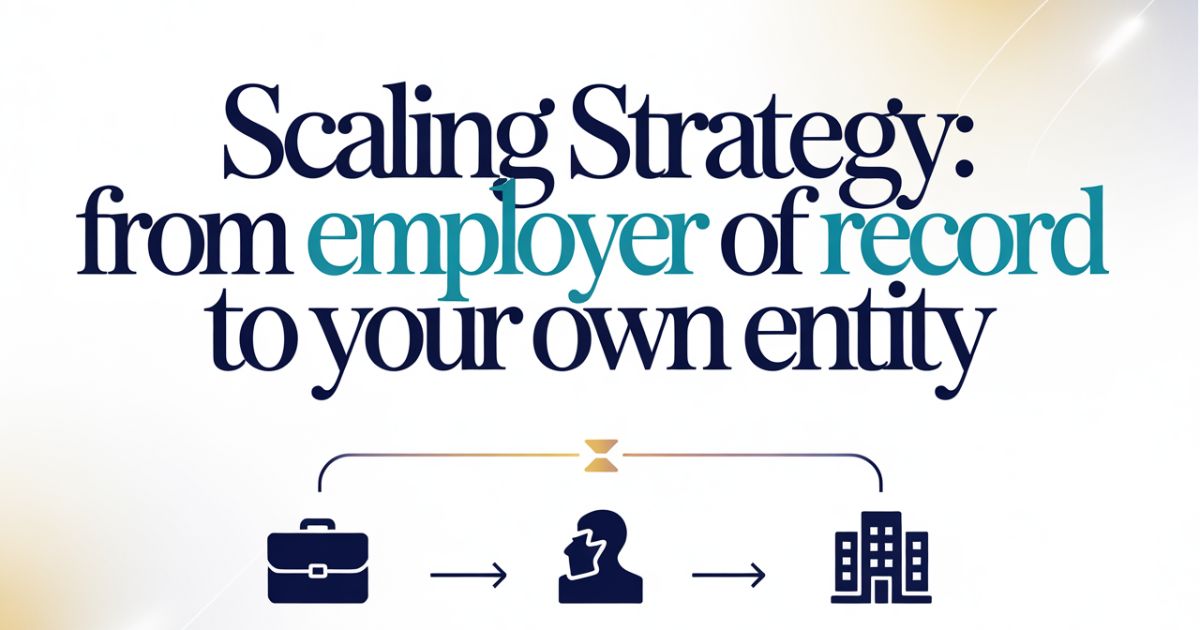
Scaling Strategy: From Employer of Record to Your Own Entity

Employer of Record to Your Own Entity


For many clients, EOR in Pakistan is a strategic bridge rather than a permanent destination.

Common growth path:

  1. Start quickly using Employer of Record services to hire initial team members in Pakistan.
  2. Test the market, validate your business model, and build a stable operation.
  3.  After achieving scale and stability determine if you should set up your local entity.

When you are ready, we can:

  • Help transition employees from EOR employment to your new entity
  • Keep providing assistance through a PEO co-employment framework in Pakistan, for human resources, payroll and regulatory compliance
  • Slowly transfer responsibility if your goal is to develop your internal HR framework

You maintain adaptability, throughout each phase.

Start Hiring in Pakistan with e-square Without a Local Entity

Start Hiring in Pakistan


In case you wish to:

  • Hire employees in Pakistan with e-square without opening a company,
  • Establish a remote workforce, in Pakistan from any location globally
  • Or, as a local Pakistani organization, outsource HR, payroll, EOBI, Social Security, and medical benefits administration,

then e-square Global Partners can serve as your Employer of Record, PEO and workforce outsourcing partner, in Pakistan.

We handle the employee journey, in Pakistan – from hiring to exit – allowing you to concentrate on your main business and expansion.

Conclusion

Hiring in Pakistan no longer requires setting up a costly local entity or navigating complex labor regulations alone. With EOR and PEO services, businesses can hire employees in Pakistan quickly, compliantly, and with full confidence. These models remove administrative burdens, reduce legal risks, and provide flexibility to scale teams as business needs evolve. Whether you are testing the market, building a remote workforce, or streamlining HR operations, EOR and PEO solutions make talent access simple, secure, and strategically efficient.

FAQ’s

What is the 70 rule of hiring?

The 70% rule suggests hiring a candidate who meets about 70% of the job requirements, assuming skills can be developed through training and experience.

What is the hiring process in 7 steps?

The 7-step hiring process includes identifying the need, creating a job description, sourcing candidates, screening, interviewing, selecting, and onboarding.

How do I hire staff?

You hire staff by defining the role, attracting candidates, evaluating skills and fit, making an offer, and completing onboarding and compliance steps.

What are the 7 steps of the recruitment process?

The recruitment process involves workforce planning, job posting, candidate sourcing, screening, interviewing, selection, and final hiring.

How to hire the best candidate?

Hire the best candidate by clearly defining role requirements, using structured interviews, assessing skills objectively, and evaluating cultural fit.

HR Outsourcing in Pakistan: A game changer for businesses in 2026

HR outsourcing in Pakistan is getting popular day by day; reason being–HR departments are constantly juggling multiple tasks. From handling payroll to ensuring compliance wit the labor laws. HR outsourcing in Pakistan makes all of these tasks easier, faster and more accurate. Global hiring services offers businesses a smarter way to manage their workforce and with that streamline their HR processes. HR management has become a challenge these days, especially with the rise of HR importance in Pakistan.

HR outsourcing can transform the way you manage your workforce whether you run a small startup or a large enterprise. Let’s learn more about how HR outsourcing in Pakistan is a game changer.

What is HR Outsourcing?

HR outsourcing is when a business hires an external provider to manage its human resource tasks such payroll management, recruitment, compliance and staff training. HR outsourcing depends upon the needs of your company, you can either outsource specific functions or the entire HR operation. Many businesses choose HR outsourcing services to reduce administrative burden, improve compliance and with that gain access to HR expertise without the overhead of an in-house team. With right, HR outsourcing providr, companies can also improve employee satisfaction by streamlining  the HR processes.

Payroll Processing:

Payroll is one of the most time consuming tasks. HR people often term this is as the most displeased tasks. Traditional method of payroll management often lead to mistakes, delays and discrepancies that can ultimately create dissatisfaction among employees. HR outsourcing in Pakistan automates payroll calculations, tax deductions, and even provide pay slips to employees. In simpler words, they ensure accuracy and saves precious time of HR teams. With well automated payroll management, business can reduce errors.

Attendance and Leave Management:

Manual tracking of attendance and leave requests can lead to inconsistencies. Recruitment services in Pakistan offers real-time monitoring of employee attendance along with features like leave balances and automated approval workflow. However, this eliminates this possibility of errors, reduces paperwork and makes the entire process more transparent. HR teams can track employee attendance and approve leave requests with a click of a button.

Employee Engagement

HR software isn’t just about managing numbers—it’s about managing people. It is about bringing people together. At times, the internal HR team is unable to promote healthy working culture.  HR outsourcing in Pakistan comes with built-in tools to boost employee engagement, such as performance tracking, training programs, and feedback mechanisms. By actively supporting employees’ growth and ensuring they have the resources they need, businesses can create a more engaged and satisfied workforce. Engaged employees are more likely to stay, which leads to a better turn over ratio.

Ensuring Compliance

It is not easy to keep up with local laws, at times it can be extremely overwhelming. HR outsourcing in Pakistan is specifically desined to automatically udapte its database with changes. in labor laws, helping businesses stay compliant. This reduces the risk of legal issues and penalties, giving business owners peace of mind. By using software that stays up-to-date with local laws, companies can avoid costly mistakes and remain compliant.

Data Security:

Human resources data is sensitive, as it contain all the data regarding an employee. Global hiring services ensure that the data is secure and stored properly with access control. Overall, it reduces the risk of data breaches or unauthorized access. With the increasing breach of securing, and data theft; it is crucial for any orgaization to protect its data. This feature allows businesses to focus on growth without worrying about the safety of the their data.

Scalable Solutions:

One the most beneficial things about HR outsourcing in Pakistan; it can grow with your business. Whether you are giant with hundreds or employees or a small startup; the Global hiring services can be customized to your needs. You can choose from many features that align with your business. The scalability ensures that businesses of all sizes can benefit from HR management tools.

Cost-Effectiveness:

In starting you might feel a bit heavy on pocket; but the long-term benefits far outweigh the costs. By reducing manual errorts, saving time and improving efficient; at the end of the day–it is all worth it. Businesses can reduce their operational costs significantly. HR outsourcing in Pakistan helps in making data driven decision that can lead to better management and resource allocation; making it a cost-effective solution in the long run.

Conclusion

HR software in Pakistan is not a luxury, it is becoming more of a necessity for businesses looking to stay competitive in today’s fast-paced business propositions. From improving payroll management to ensuring compliance. HR outsourcing in Pakistan offers advantages can save time.

Global Payroll Solutions for Remote Teams

The rise of remote work has transformed how businesses operate, enabling companies to tap into a global talent pool. However, managing payroll for remote teams spread across different countries comes with its own set of challenges. From navigating complex tax regulations to ensuring compliance with local labor laws, global payroll solutions require a robust and efficient solution. In this article, we’ll explore the importance of global payroll solutions for remote teams and how they can help businesses streamline operations while staying compliant.

The Challenges of Managing Payroll for Remote Teams:

1. Compliance with Local Laws and Regulations:

Each country has its tax laws, labor regulations, and reporting requirements. Ensuring compliance can sometimes be complex, especially for businesses with remote employees in multiple regions. Non-compliance can result in heavy fines, legal issues, and reputational damage.

2. Currency Conversions and Exchange Rates:

Paying employees in their local currency requires handling currency conversions, which can be complicated and costly. Fluctuating exchange rates can also impact payroll budgets and employee satisfaction. Global and international payroll services often face this issue, and convincing employees about currency conversions is challenging.

3. Tax Withholding and Reporting:

Different countries have varying rules for income tax, social security, and other deductions. Calculating and withholding the correct amounts while filing accurate reports can be time-consuming, and there are also chances of errors.

4. Data Security and Privacy:

Payroll data is highly sensitive, and businesses must ensure it is handled securely, especially when dealing with international transfers. Compliance with data protection regulations like GDPR is critical. Global and international payroll solutions are quite particular about data security and privacy.

5. Time Zone and Communication Barriers

Managing payroll is one thing when all the employees are under one roof. However, when it comes to globally located employees, coordinating payroll processes can be a bit challenging as there are different time zones. At times, this can lead to delays and miscommunication.

What Are Global Payroll Solutions?

Global Payroll Solutions are designated and specialised platforms that simplify payroll management for businesses with remote teams across multiple countries. These solutions consolidate payroll processes into one system, ensuring accuracy, compliance, and efficiency. Let’s get into detail.

Key Feature of Global Payroll Solutions:

Automated Payroll Calculations: Automating tax calculations, deductions, and currency conversions to reduce errors and save time.

Compliance Management: Updated local tax laws and labor regulations to ensure compliance.

Multi-Currency Payments: Facilitating payments in employees’ local currencies while managing exchange rate fluctuations.

Reporting: Generating payroll reports for each country to simplify audits and tax filings.

Employee Self-Service Portals: Allowing employees to access their tax documents and other payroll-related information.

Data Security: Implementing security measures to protect sensitive payroll data.

Benefits of Global Payroll Solutions for Remote Teams

1. Simplified Payroll Management

Centralizing payroll processes from a single platform allows businesses to manage payments for their entire remote team. This eliminates the need to work with multiple local providers or manually handle payroll for each country.

2. Enhanced Compliance

Global payroll solutions stay updated with changing regulations, ensuring businesses comply with local tax laws and labor requirements. This reduces the risk of penalties and legal issues.

3. Cost Savings

Automating payroll processes and consolidating services can significantly reduce administrative costs. Additionally, handling currency conversions efficiently can minimize losses due to unfavorable exchange rates.

4. Improved Employee Experience

Timely and accurate payments in employees’ local currencies enhance satisfaction and trust. Self-service portals also empower employees to access their payroll information easily.

5. Scalability

As businesses grow and hire more remote employees, global payroll solutions can scale to accommodate complexities without disrupting operations.

 Choosing the Right Global Payroll Solution

 When selecting a global payroll solution, consider the following factors:

  1. Coverage: Ensure the solution supports payroll management in all the countries your remote team is located.
  2. Integration: Look for a platform that integrates with your existing HR and accounting systems.
  3. Compliance Expertise: Choose a provider with a strong track record of staying true with local regulations.
  4. Customer Support: Opt for a solution that offers reliable customer support to address any issues promptly.
  5. Cost Transparency: Understand the pricing structure and ensure no hidden fees.

 Conclusion

As remote work continues to grow, businesses must adapt their payroll processes to meet the demands of a global workforce. Global payroll solutions of e-square offer a transparent, compliant, and cost-effective way to manage payments for remote teams across borders. By investing in the right payroll solution, businesses can focus on scaling their operations while ensuring their employees are paid accurately and on time, regardless of location. Whether you’re a startup or an established enterprise, embracing global payroll solutions of e-square is a strategic move that can drive efficiency, compliance, and employee satisfaction in the era of remote work.

What Is an Employer of Record Service & How It Works?

Businesses are expanding their operations to new markets. Tapping into the new markets is a good idea, but what about Employer of Record service?

Do you have an idea about an employer of record service? Hiring employees in foreign countries comes at a price and can be complex. Varying labor laws, tax regulations, and compliance requirements can be challenging. That’s where global hiring services help regulate the employees and compliance requirements.

This article explains how employers of record services work and their potential benefits. Let’s get started.

What Is an Employer of Record (EOR)?

An employer of record service is a third-party organization that legally employs workers on behalf of a company. The employer of record becomes the legal employer of the worker, and takes the full-time responsibility of all employment-related tasks, which includes:

  • Payroll processing
  • Tax withholding and filing
  • Employee benefits administration
  • Compliance with labor laws
  • Employment contracts and terminations

Simply put, it is an intermediary between the company and the employee, ultimately facilitating smooth and legal hiring. When the employer of record service handles the employment’s legal and administrative aspects, the client company controls the employee’s performance.

How Does an EOR Service Work?

An EOR acts as an employer. Here’s how the process works step-by-step:

1. Hiring and Onboarding:

Even in general, hiring and onboarding are not easy tasks. However, with global hiring services, the process starts with hiring and onboarding.

  • The client company identifies the candidate they wish to hire
  • The Employer of record service then drafts an employment contract that legally complies with the local labor laws of the original location of the employee
  • The employee signs the contracts with the EOR, and becomes an official employer.

2. Payroll and Tax Management

Who manages the payroll for global hiring services?

  • The EOR manages payroll, ensuring employees are paid on time and in their local currency.
  • However, the EOR withholds and files the appropriate taxes and social contributions per the local regulation.
  • The EOR manages payroll, ensuring employees are paid accurately and on time in their local currency.
  • According to local regulations, the EOR withholds and files the appropriate taxes and social contributions.

3. Benefits and Compliance

  • The EOR provides employee benefits such as health insurance, retirement plans, and paid leaves per local laws.
  • The EOR also ensures that the working hours, holidays and overtime are as per the local regulations.

4. Ongoing HR Support

  • The EOR manages employee contracts, renewals, and terminations.
  • It supports workplace disputes, contract amendments, and performance reviews.

5. Termination and Offboarding

  • If the employee’s contract ends, the EOR ensures that termination procedures follow local labor laws.
  • The EOR handles final payments and severance, if applicable.

Benefits of Using an EOR

Using an Employer of Record offers several key advantages for businesses expanding globally:

● Speed of Hiring

Setting up a legal entity in a foreign country can take months. With an EOR, companies can hire employees within days, reducing time-to-market.

● Cost-Effectiveness

Establishing a foreign entity involves legal fees, office setup, and administration costs. An EOR eliminates these costs, offering a more affordable solution.

Reduced Legal Risk

Employment laws vary from country to country. An EOR ensures compliance with local regulations, reducing the risk of fines and legal issues.

● Focus on Core Business

By outsourcing employment-related tasks to an EOR, companies can focus on business growth, operations, and strategy rather than HR and legal complexities.

● Access to Global Talent

An EOR allows companies to hire the best talent from anywhere globally without being restricted by geographic or legal barriers.

When Should a Company Use an EOR?

An EOR service is beneficial in the following scenarios:

  • Expanding into a new market without setting up a local entity
  • Hiring remote employees from different countries
  • Short-term projects requiring international staffing
  • Testing new markets before committing to a permanent presence
  • Managing compliance risks in foreign employment laws

Potential Challenges and Considerations

While an EOR simplifies global hiring, there are some challenges to consider:

  • Loss of direct employment relationship: Since the EOR is the legal employer, employees may feel less connected to the company, resulting in turnover.
  • Cost structure: EOR fees can vary based on the country and the complexity of local regulations.
  • Limitations on benefits and policies: Some countries restrict benefits provided through an EOR.

Conclusion

An Employer of Record (EOR) service provides a strategic solution for companies seeking to expand globally without the complexity of setting up a foreign entity. By managing payroll, taxes, compliance, and HR services, an EOR allows businesses to focus on growth while minimizing legal risks and administrative burdens. As the global workforce becomes more interconnected, EOR services offer a powerful tool for scaling operations and accessing top talent worldwide.


The Latest Trends in Recruitment Services in Pakistan in 2026

Every couple of years, the recruitment landscape changes in Pakistan. These transformations keep the employees on their toes and help the employers get the best out of them. The latest trends in recruitment services in Pakistan, allow companies to manage workforce expectations, as these changes are driven by technological advancements.

Not only that, but these trends are of high importance due to the global shift towards digitisation.

Stepping into 2026, the recruitment industry in Pakistan is all set to embrace innovative practices. These trends and practices ensure the hiring process becomes ever more efficient, inclusive, and candidate-centric.

Let’s dive into the latest trends shaping recruitment services in Pakistan in 2026.

Artificial Intelligence and Automation

AI has taken over,and there is no denying that fact. However, the role of AI and automation in the recruitment process is a highly positive one. In fact, artificial intelligence is fast becoming an integral part of hiring. In 2026, Pakistani employers are using AI tools to streamline many steps of recruitment such as screening, matching, and identifying the best candidates for vacant positions.

The automation of these steps has not only made hiring easier but also helped predict the outcome of the hiring, the success rate, and how well the employee matches the said position. Quick and accurate, this is how using AI tools is defined in recruitment.

Let’s not forget the AI chatbots that have made life easier for companies that were earlier spending a huge amount on customer support. AI tools are now aiding the candidate with the hiring process, answering their queries, recording their resumes and presenting them according to the job, making sure that the company doesn’t spend precious hours in finding the right person among hundreds of others.

Automation also eliminates follow-ups, rescheduling as well as many other repetitive tasks, saving a good amount of time and funds.

Remote Work and Global Talent Pools

The COVID-19 pandemic taught the recruitment industry the importance of a hybrid working model. And now, it has become a permanent practice in the Pakistani recruitment industry. The fact that anyone can be hired from any part of the world and can be made a part of a remote working team has solved many problems. 2026 is the year of embracing such changes and many more that will help expand the talent pool globally. This helps broaden the horizon for both the employers and the seekers.

Adapting this trend has pushed Pakistani companies to venture into digital solutions like digital onboarding processes, implementing remote work policies, and hiring from all around the world. This means there is no lack of talent if you are willing to expand and open your borders. Virtual interview, online assessments, and training are becoming a norm, nothing fazes the Pakistani recruitment industry in 2026.

For startups and small businesses, this is the best working model; they don’t need an in-house team and the many hassles that come with having an office and an in-house team.

Prioritising Employer Branding

The rise of technology, online presence and social media makes it impossible to keep an employer’s image hidden. Hence the trend of employer branding is on the rise as well. Any job seeker can get online and get the measure of any company in just a couple of clicks. Hence, the latest recruitment trend is to put forward an authentic and positive image for potential candidates.

Creating a compelling and appealing employer image is the latest trend, showcasing the testimonials of employees hired and working, successful turnovers, international clients and a promise of growth.

Diversity, Equity, and Inclusion (DEI) Initiatives

The latest trends also include the DEI initiatives. DEI stands for diversity, equity, and inclusion, and powered by these three companies, are now acknowledging the value of a diverse workforce. Not only does it bring more to the table, but it also helps capture all kinds of audiences and explore all kinds of ideas that were, earlier, unheard of. 2026 is the era of implementing change and evolving. DEI initiative allows companies to explore talents in underrepresented groups such as differently abled women and shunned groups like the transgender community.

Upskilling and Reskilling Programs

Upskilling and reskilling may not be a trend of 2026 but it’s rampant in 2026 nonetheless. The practice of upskilling and reskilling is an essential of recruitment strategies. The investment in training programs has proved to be highly profitable, hence this one trend isn’t getting old any time soon.

This one trend is highly relevant for the tech companies as new technologies emerge every now and then, and the employees as well as the employer needs to stay at the top of their game to stay ahead of the competition. Hence, reskilling and upskilling is on trend that is here to stay.

Conclusion:

To top it off, innovation, inclusivity, AI-tools and polishing the hired candidate are the latest trends in the recruitment landscape in Pakistan in 2026. Employers are now keen on making data driven decisions, hiring with AI and automation to reduce error and save funds, and this is benefiting both parties to the full. Adaptation to such trends is sure to open doors for many talents globally making Pakistan’s recruitment future bright.


How a Global HR Partner Simplifies International Hiring

It is not just about expanding business, but it is also about evolving opportunities, challenges, and that’s where Global HR partner steps in. Hiring international talent is not an easy task, learning labor laws, cultural expectations and market conditions that too globally can be challenging. Global HR partner (HRP) helps you in simplifying international hiring by making the process streamlined and ensuring compliance. Moreover, it improves the overall hiring and candidate onboarding process.

This guide is all about—global HR partners and how they can make hiring easier for your company.

1. Understanding Labor Laws

Labor laws are different globally. What works in your country, may not work in another country. International hiring comes with its own set of challenges, and one of the most challenging tasks is to learn about complexities related to labor laws, tax regulations, employment contracts, etc. each country has its own set of rules regarding hiring, compensation, termination, benefits, etc.

How a Global HR Partner Simplifies It:

  • Expert Legal Knowledge: A Global HR Partner knows about the practices of local regulations.
  • Adapting Contracts and Benefits: They know how to negotiate with contracts, benefits packages and compensation structures to meet the expectations of the employees.

Tip:

Work closely with global hiring service to avoid any legal risks, make sure that you are equally involved in the hiring process.

2. Streamlining Recruitment

Recruitment is a time-taking process, whether it is local or international. However, it is more challenging when you are handling multiple talent pools across different regions. A global HR partner can streamline the overall recruitment process by using their local networks, platforms and agencies to access and source candidates that can add value to your company.

How a Global HR Partner Simplifies It:

  • Access to Global Talent Pools: HRP has access to local talent pools, and they can tap into regional networks that might be inaccessible to you.
  • Use of Technology: They use applicant tracking systems (ATS) and other tools that make international recruitment more efficient.
  • Localized Sourcing Strategies: A Global HR Partner customizes packages based on local culture and talent.

3. Inclusive Hiring Experience

When hiring internationally your organization operates across multiple countries thus creating differing candidate hiring experiences throughout different teams. Such lack of consistency creates confusion among candidates and it also damages your brand’s reputation due to missed opportunities.

How a Global HR Partner Simplifies It:

  • Recruitment Frameworks: A Global HR Partner provides standardized recruitment frameworks that remain flexible when handling local employment preferences. The staffing process shares identical procedures which candidates encounter no matter where they are located between the U.S. or Japan.
  • Cultural Understanding: They include cultural understanding as part of recruitment to deliver experiences that value different norms and cultural expectations across various countries.
  • Employer Brand Consistency: The company stabilizes their employer brand message worldwide and delivers localized approaches in their recruitment procedures.

Tip:

All Global HRP staff should teach hiring managers to conduct consistent hiring procedures with cultural sensitivity across all locations.

4. Visa and Work Permits:

The process of getting authentic work permits with visas for international employment candidates becomes complex and time-consuming before hiring can begin. The Global HRP handles visa and work permit processes in an efficient manner to simplify these operations.

How a Global HR Partner Simplifies It:

  • Immigration Rules: A Global HR Partner possesses comprehensive knowledge of immigration legislations and work visa rules for multiple territories which allows your company to fulfill legal requirements when employing workers internationally.
  • Paperwork: Global HRP professionals maintain correct paperwork for visa applications and work permits to stop hiring delays while meeting submission deadlines.
  • Legal Advice: The consulting firm assists global enterprises by offering direction regarding the optimal employment legal mechanisms that function through direct on-site staff and distant support arrangements and third-party labor provisions.

Tip:

Work and collaboration with Global HR partners for work permits alongside visa applications to prevent processing delays.

5. Payroll Management:

Global wage payments to staff in different countries present multiple challenges that combine foreign exchange rates with tax processes and benefit administration alongside country-specific pay standards.

How a Global HR Partner Simplifies It:

  • Tax regulations: Global Payroll Systems form part of a Global HR Partner through integrated processing systems which handle international employee payroll duties under local tax regulations and payment structures.
  • Competitive Benefits: The organization standardizes benefits packages to provide employees worldwide with competitive benefits that satisfy local legal frameworks and incorporate the corporate benefits strategy.
  • Global Payroll System: Through the HRP system organizations guarantee accurate compensation and benefit payments in proper foreign currencies while correctly performing tax deductions in local territories.

Tip:

The Global HRP should collaborate with you to deliver precise payroll administration functions for all your international locations.

6. Onboarding International Hires Efficiently

Employee onboarding represents a vital staff implementation protocol which results in enhanced employee attachment levels and maintains worker retention rates and operational efficiency. The process of welcoming new employees from various countries becomes complicated when maintaining uniform high-quality standard procedures.

How a Global HR Partner Simplifies It:

Onboarding program: A Global HR Partner develops an adaptable onboarding program structure which creates a smooth new-hire experience for workers operating in international locations.

Customs and Traditions: They adapt the onboarding procedures by adding explanations of specific national benefits and by demonstrating elements of regional company customs and traditions.

Technology Driven System: The HRP system provides a technology-driven system that enables organizations to handle an automated paper-free onboarding process through a system which international staff members may access from any remote location.

Tip:

The implementation of Global HR services should maintain a consistent global structure together with adaptable features for different regional onboarding requirements.

7. Managing Employee Benefits and Legal Compliance

Countries maintain their own operational rules regarding employee benefits which cover medical plans together with retirement benefits as well as designated time off for workers. The management of benefits throughout multiple countries becomes simpler thanks to a Global HR Partner supporting this process.

How a Global HR Partner Simplifies It:

  • Custom Packages: A Global HRP develops benefits packages that respect local employee expectations and legal requirements in all locations to fulfill both compliance and competitive standards.
  • Enrollment Benefits: The Global HR Partners monitor benefits enrollment together with claims processing and local legal requirements to uphold employee access to their entitled benefits across every work location.
  • Insurance Providers: The Global HRP works together with local insurance providers and retirement plans and additional third-party vendors to properly administer benefits programs.

Tip:

Check your Global HRP benefits packages regularly to guarantee compatibility with new laws and regional competitiveness standing.

8. Cultural Integration and Team Cohesion

Organizations which employ people internationally build their workforce with members from various cultures. The process of managing cultural diversity together with new employee onboarding into the organizational culture remains a difficult task.

How a Global HR Partner Simplifies It:

  • Training Programs: A Global HR services in pakistan establishes training programs to provide cultural education for employees which builds mutual understanding between different international teams.
  • Team Assistance: Teams receive assistance to build activities which enhance cross-location and cross-cultural collaboration leading to employee integration and valuable feelings.
  • HRP Policies: The HRP builds policies alongside tools that enhance worldwide teamwork by permitting successful and efficient work between disparate regional teams.

Tip:

Your onboarding curriculum must include cultural training because it helps develop exclusive workplace practices that unite teams from their first day.

Conclusion

People accessing global human resource inclusion programs experience streamlined international recruitment by enabling understanding of worldwide employment requirements alongside recruitment pathways and compensation administration. Through their seamless operations your business can smoothly handle complex international workforce management therefore you gain confidence to expand globally.
Employing a Global Hiring Services allows your organization to lower international employment dangers and meet regional legal requirements and establish harmonious candidate and employee experiences across worldwide regions.