Employee Lifecycle Management in Pakistan(2026): From Onboarding to Offboarding with Full Compliance Employee lifecycle management in Pakistan is more than just an HR activity – it is a strategy for directing all employees from the time they are recruited until they leave the company, while being fully compliant with the law and creating a good […]
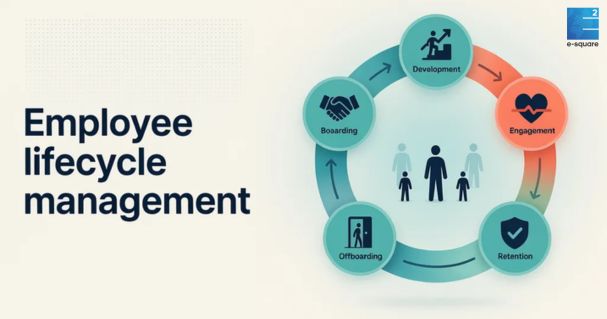
Employee lifecycle management in Pakistan is more than just an HR activity – it is a strategy for directing all employees from the time they are recruited until they leave the company, while being fully compliant with the law and creating a good employee Experience. Companies who have a successful elm will see improvements in productivity, lower turnover and improved organizational performance.
From Talent Acquisition and Employee Onboarding to performance management, every single stage of elm forms part of the total employee Experience and contributes to long-term business growth whether you are a local Pakistani employer or an international employer looking to hire staff in Pakistan.
👉 Contact our HR experts today to build a compliant and efficient workforce in Pakistan.
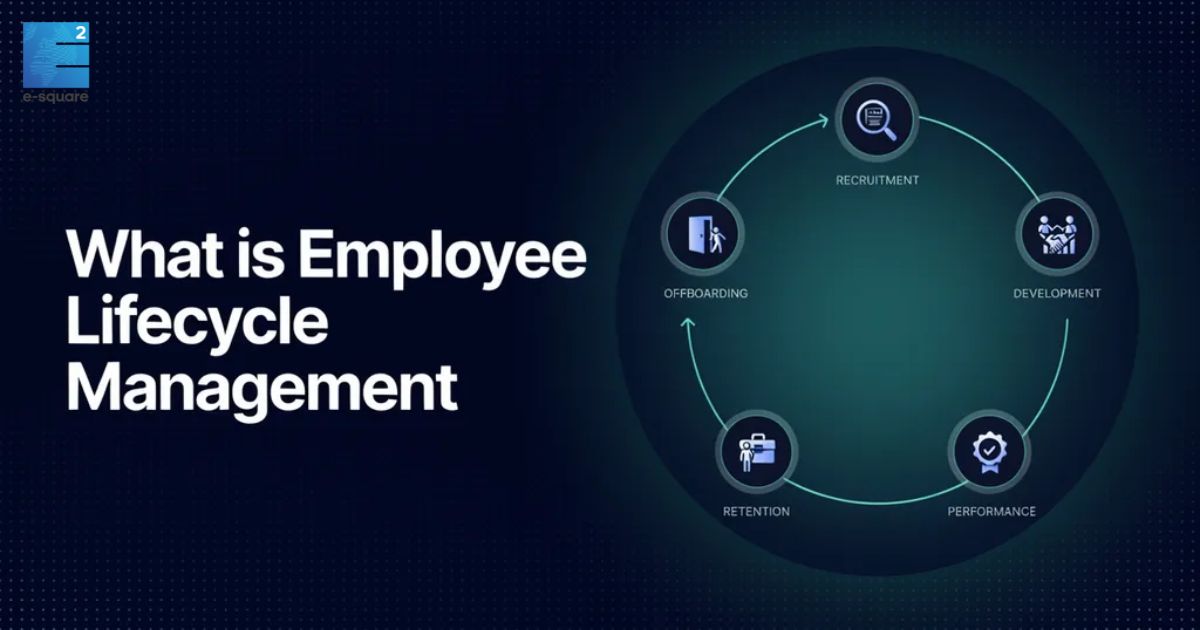
Employee Lifecycle Management in Pakistan refers to managing all aspects of the entire employee journey from the moment an individual is attracted to join the company, through recruitment, onboarding, Employee Development, retention, and finally leaving. Simply put, it is the entire pathway an employee travels while employed by an employer.
This model is important as work does not start on a new employee’s first day and finish on their last day. The way an employer develops the employee Experience throughout this pathway significantly impacts the workforce. As such, effective Workforce Management relies heavily upon having defined processes, clean records and consistent treatment of all employees throughout the entire lifecycle.
A number of employers today believe that elm is simply about employing talented individuals and providing them with a correct final settlement. However, there is far more to it than that. Realistic elm also encompasses; engagement, learning, performance, Compliance, day-to-day support etc. Should any stage of the cycle fail to meet expectations, subsequent stages will generally become more difficult, slower and therefore more costly.
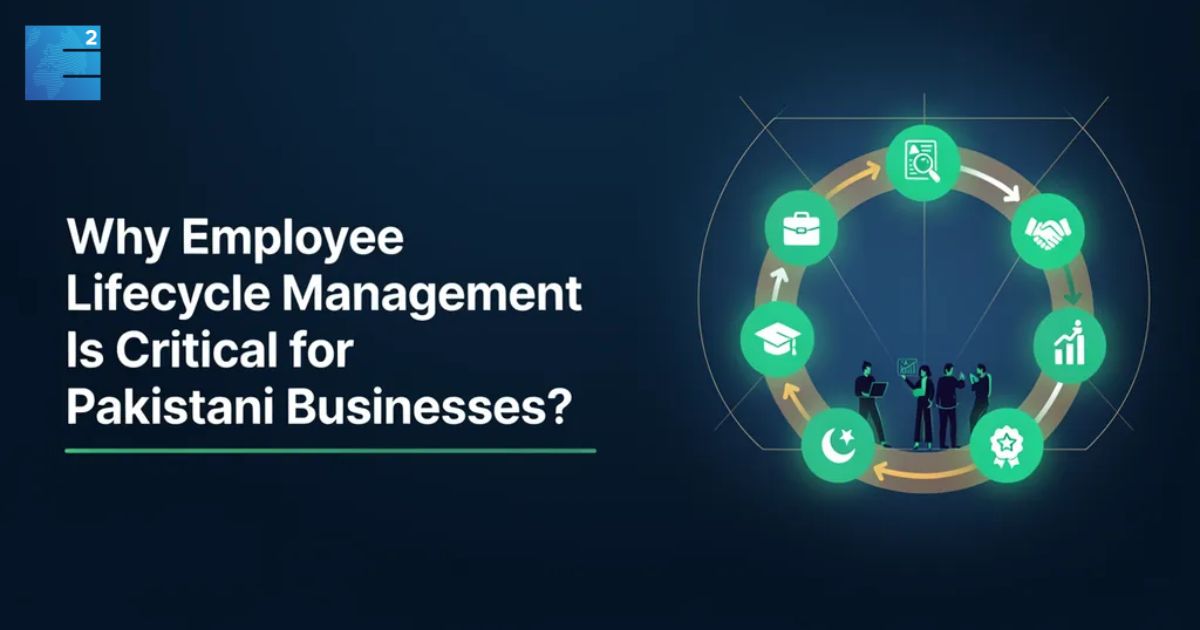
Local employers operating in Pakistan typically expand much faster than do their own internal systems. This expansion leads to friction. Consequently, employers’ recruitment becomes rushed, onboarding becomes informal, performance reviews cease to occur and exits occur without process. An appropriate elm model prevents drift prior to drift becoming payable disputes over payroll, turnover or unnecessary Compliance stress.
Given the above, elm is especially significant for foreign employers hiring staff in Pakistan. Where teams operate remotely or through outsourcing models, each lifecycle stage needs to be clearer not looser. Effective HR Compliance and good Payroll Management practice lead to predictability, legality and ease-of-management across functions when dealing with remote and outsourced employees.
Weak design of Employee Lifecycle Management generates hidden costs. Hiring mistakes generate replacement expenses. Poor onboarding generates delays in productivity. Lack of documentation creates problems in payroll and final settlements. Low engagement increases attrition. Essentially a broken lifecycle leaks money quietly. You normally recognize it late when morale falls or Compliance issues arise.
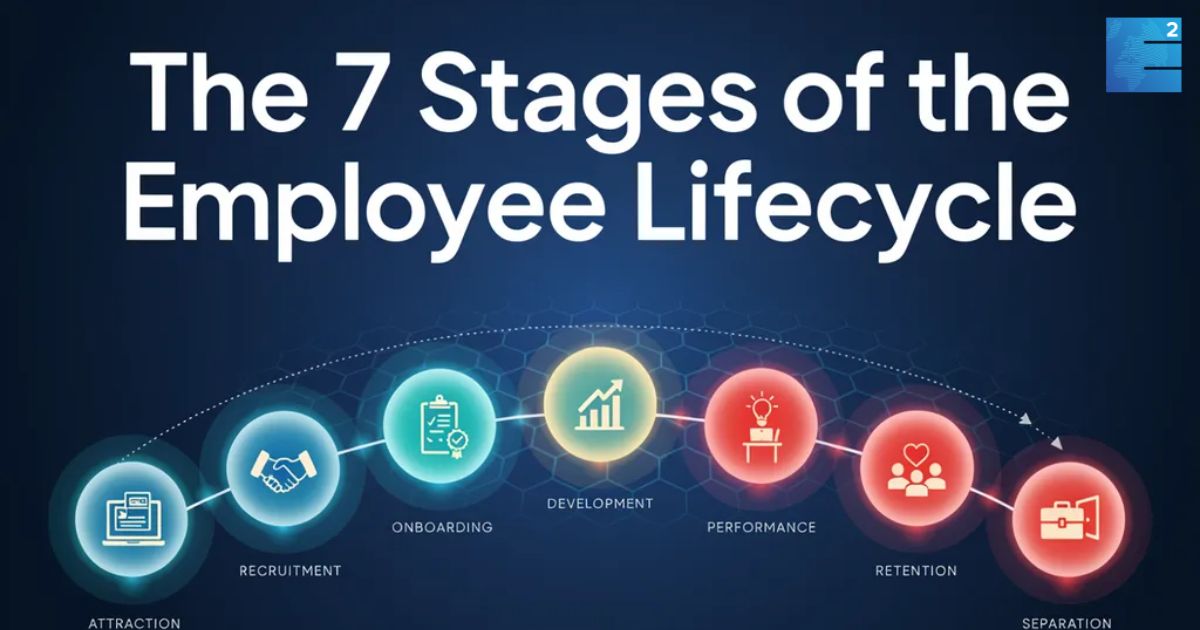
There are 7 interconnected stages in the standard lifecycle: Attraction, recruitment, onboarding, engagement, learning, performance and retention/offboarding. Each stage of the employee lifecycle is not randomly placed but forms part of One continuous chain. Should any link fail within the chain the entire employee Experience will start to wobble.
It would be possible to compare it to a relay race where each stage hands the baton onto the next. Therefore, talent acquisition supports better onboarding. Better onboarding improves engagement. Improved engagement enhances Employee Development. Enhanced Employee Development improves performance. Fair performance management strengthens retention or provides cleaner exit as required.
| Stage | Main purpose |
| Attraction | Bring the right people into the funnel |
| Recruitment | Select and hire well |
| Onboarding | Start clearly and lawfully |
| Engagement | Build connection and trust |
| Learning | Improve capability over time |
| Performance | Measure and guide results |
| Retention / Offboarding | Keep the right people or exit well |
Each stage lives within another. Poor talent acquisition generally leads to poor onboarding. Poor onboarding generally results in poor engagement. Poorly engaged employees rarely perform at their full potential. Therefore, employers need to manage the whole flow together rather than treating each stage as separate administrative tasks.
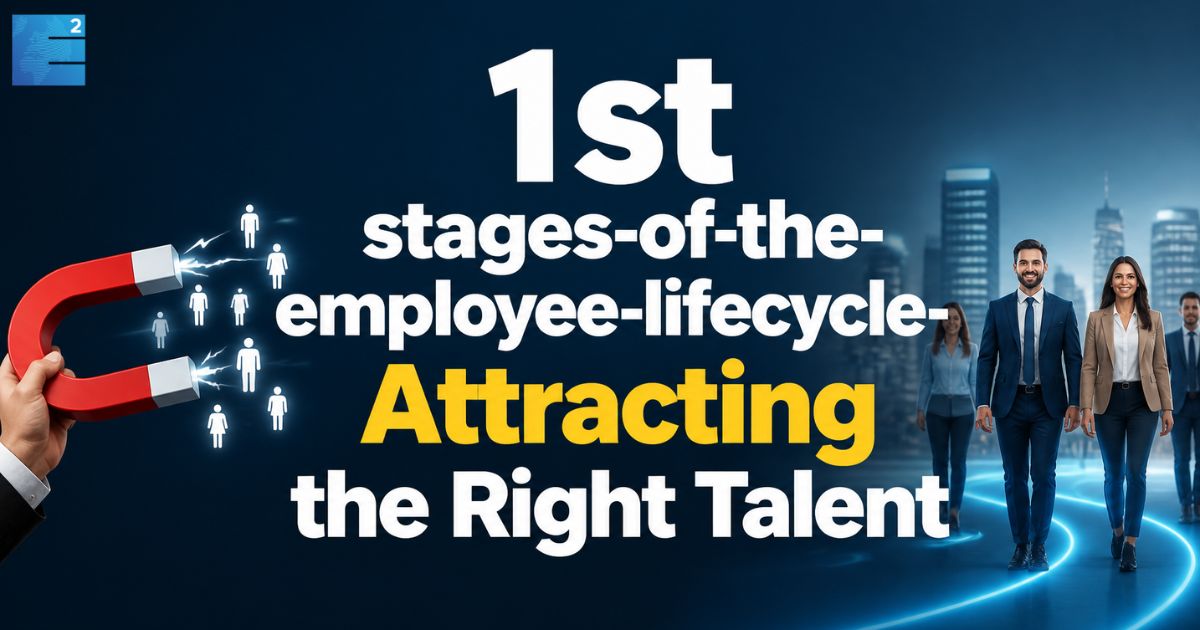
Attraction takes place before your vacancy goes live. Candidates first react to your reputation clarity and visible workplace culture. Employer Branding has more importance than most employers recognize. If your market image appears vague or inconsistent then strong candidates may never enter your funnel in the first instance.
Attracting the right people also means defining the role clearly. Vague job descriptions generate vague applicants. Sharper messages attract better-fit applicants. Intelligent talent acquisition is not about collecting more CVs but rather drawing the right people toward the right role in the first instance.
Attraction acts as the first filter for long-term fit. If you attract individuals with wrong expectations then retention problems will begin early. What you promise during hire must match reality of the job. Otherwise, you win the employee briefly and lose trust soon after joining.
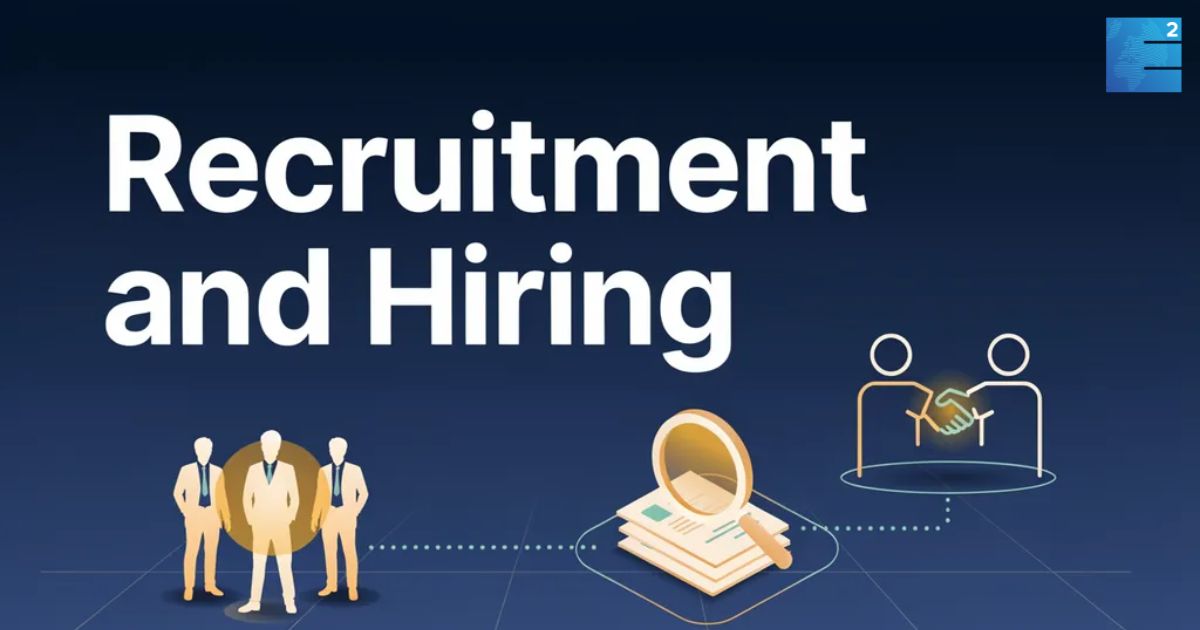
Recruitment is the stage where an intention to recruit is turned into a recruitment decision. At this point in the cycle, we are assessing your potential candidates’ technical ability, personal values, salary requirements, and overall preparedness for employment. Great Recruitment does not simply mean selecting someone with great qualifications; rather it means choosing the best candidate at the right time.
Similarly, the recruitment process should be systematic and have documentation. Organizations should comply with Pakistan’s employment regulations published by the Ministry of Overseas Pakistanis & Human Resource Development. Your offer letter, approval route, pay logic, and expected join date should all be clear. Unfortunately, in Pakistan, hasty recruitment processes often lead to later problems such as payroll errors or low employee performance. Therefore, having a structured recruitment process will make the rest of the employment life-cycle much easier to handle.
An ill-advised recruitment decision typically does not remain isolated to the hiring manager. An ill-advised hire can affect multiple aspects of a company including team morale, manager’s time, training costs, and replace personnel costs. Ill-conceived recruiting decisions can impact numerous other areas of the company. As such, effective recruiting is not simply a matter of making sure you find qualified candidates. Rather it is a matter of controlling costs and maintaining stability within the employment life-cycle.
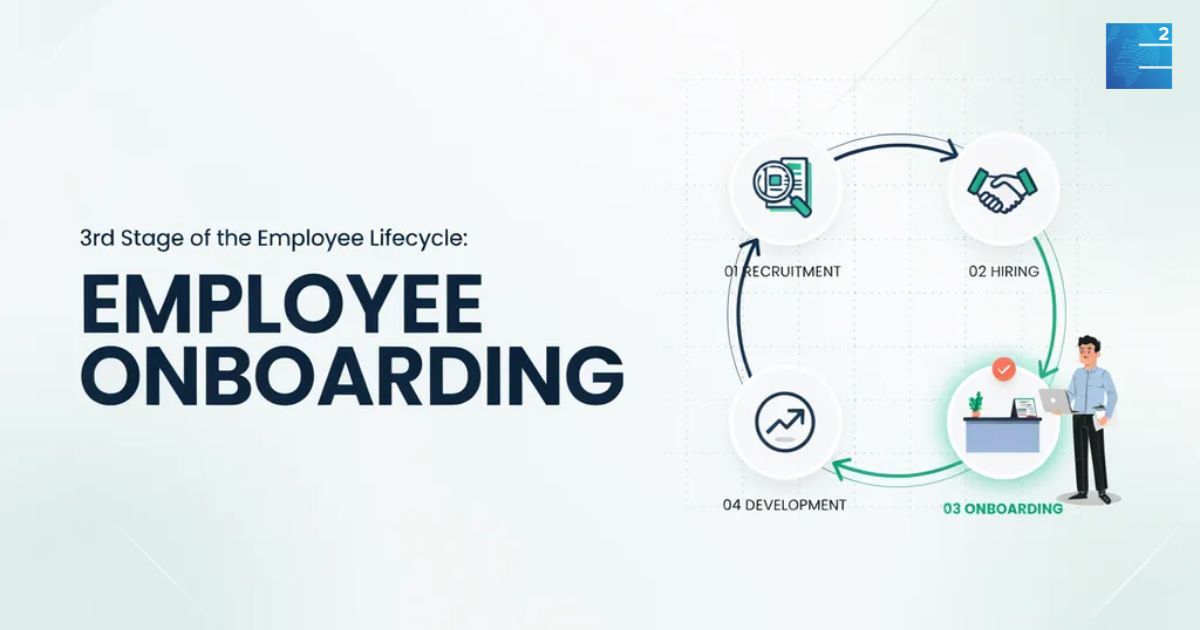
Employee onboarding is the stage of the employment life-cycle where the employer transforms a recruited employee into a productive and contributing member of the team. Some of the items included in this area include contracts, job descriptions, explanations of policies and procedures, payroll information, reporting responsibilities, and orientations. If this area is not conducted in a timely and organized manner, even the most talented hires may become confused, upset, frustrated or detached from their new role. Employers should complete tax registration and payroll documentation according to the Federal Board of Revenue (FBR) guidelines.
As previously mentioned, in Pakistan, there is a compliance aspect to onboarding as well. Employee data collection (payroll records), benefit enrollment (health insurance etc.), tax information (employee identification number etc.) and attendance tracking must be initiated immediately upon commencement of employment. Technology can assist in facilitating better onboarding by providing automation to assist in creating cleaner files and reducing payroll error. Additionally, technology can provide greater efficiency to the onboarding process allowing employees to focus on becoming productive sooner than if manual processing was used.
Onboarding is critical as it sets the tone for both emotional and operational connection of an employee to the organization. New employees will recall how they were greeted when arriving at the office or how easily they could navigate through our system of policies and procedures. Better onboarding leads to increased confidence for employees earlier in their tenure. Conversely, poorly managed onboarding will result in doubts for employees prior to them settling into their position.
👉 Talk to our team and simplify employee onboarding in Pakistan.
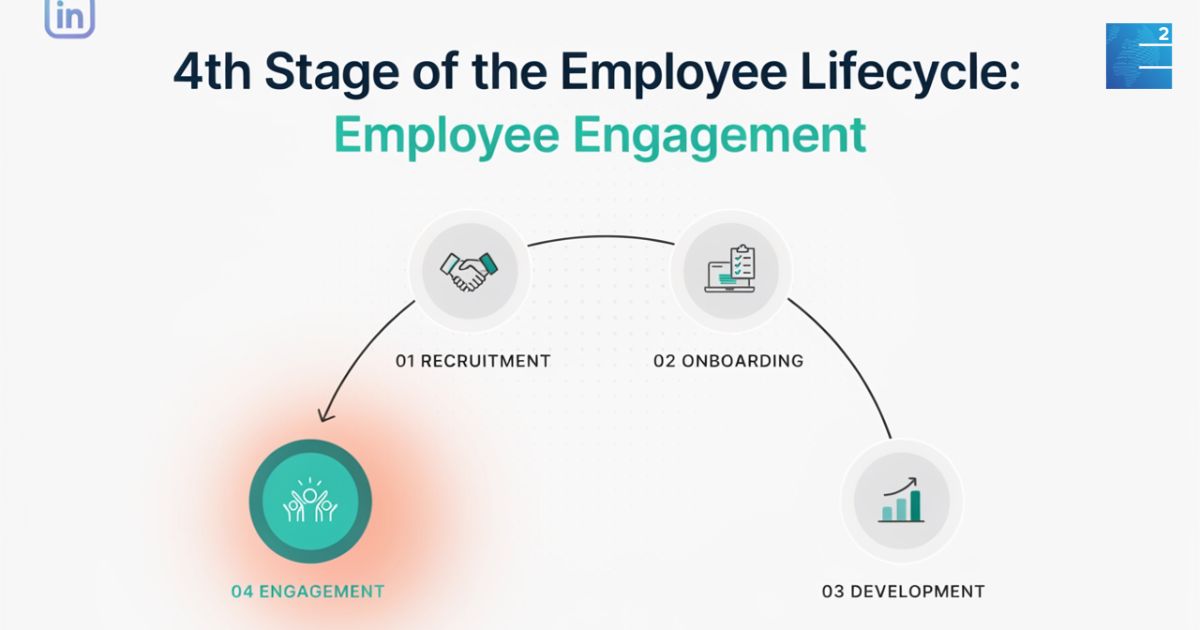
Employee engagement is when an employee decides that they want to be fully invested in their job versus being physically present. Employee engagement develops through open communication, building trust, treating employees fairly and consistently, recognizing accomplishments and consistent leadership behavior. The foundation for engagement lies heavily in Workplace Culture since culture represents everything employees experience while working at an organization excluding formal presentations.
Employee engagement is not simply soft stuff. It impacts employee production levels, attendance rates, collaboration among teams/employees and employee turnover. Employees who are engaged tend to produce at higher levels and attend regularly compared to those who do not feel valued or supported. Employee wellbeing plays a significant role in engagement as well. Workplaces that are perceived as draining or confusing will generally suffer from lower levels of employee engagement which ultimately translates to decreased productivity prior to resignation.
Disengaged employees typically do not declare themselves disengaged. Disengagement presents itself in various forms including: lower quality work products, reduced sense of ownership for tasks/projects, lower level of interdepartmental collaboration and increasing likelihood of voluntary turnover. Frequently managers fail to recognize these symptoms as indicative of lack of communication, lack of career opportunities or lack of adequate support. Thus, engagement must be measured continually and not assumed based solely on observation.
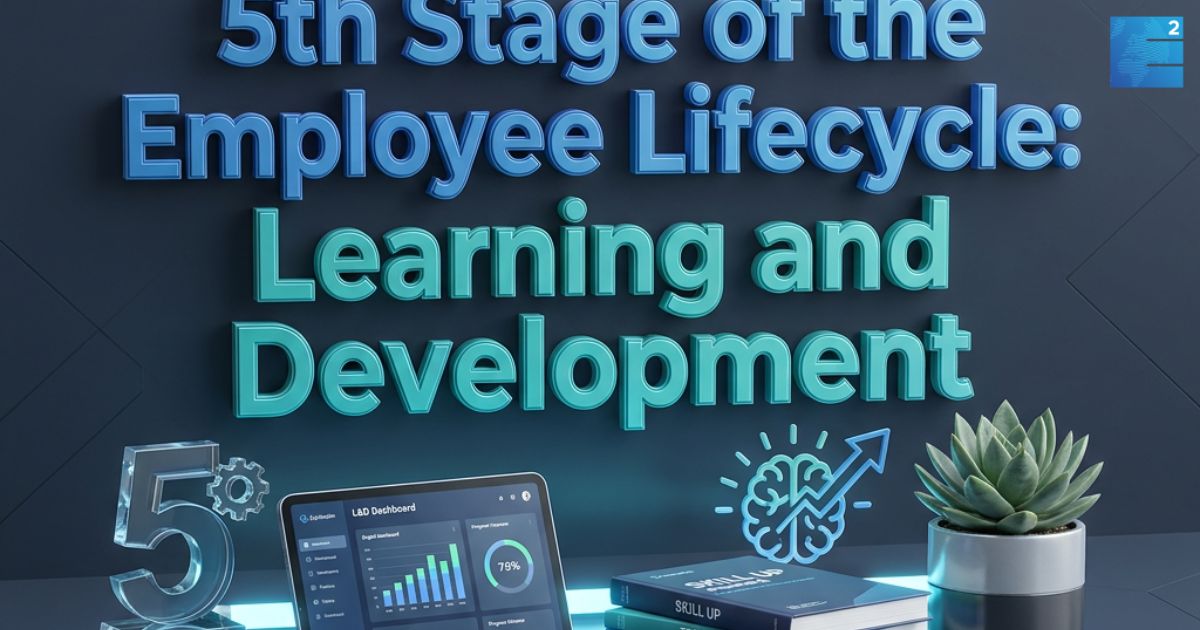
Learning and Development continues to grow the employment life-cycle for each individual employee. After an employee settles into his/her role(s) and demonstrates some level of competence (regardless of job type), they require ongoing education/training and skill development in order to continue growing professionally. If an employee does not receive continued development, even extremely capable individuals can stagnate. Developing employees allows organizations to utilize them as a valuable asset internally and increases confidence within each employee regarding their long-term prospects.
This stage provides support for employee internal mobility as well as preparation for future roles. Organizations that develop their current employees develop bench strength (as opposed to solely utilizing outside recruitment). Bench strength contributes positively toward improving succession planning practices as well as increasing confidence in manager’s abilities to select/promote employees appropriately.
Employees frequently leave an organization not due to any fault in the organization but due to the fact that they perceive little opportunity for future advancement/growth. If employees perceive that there is no way to learn, grow professionally or improve their capabilities within the organization, they will begin searching elsewhere. As such, development is not merely an optional component in supporting employee retention; it serves as a tangible retention mechanism masked as a developmental resource.
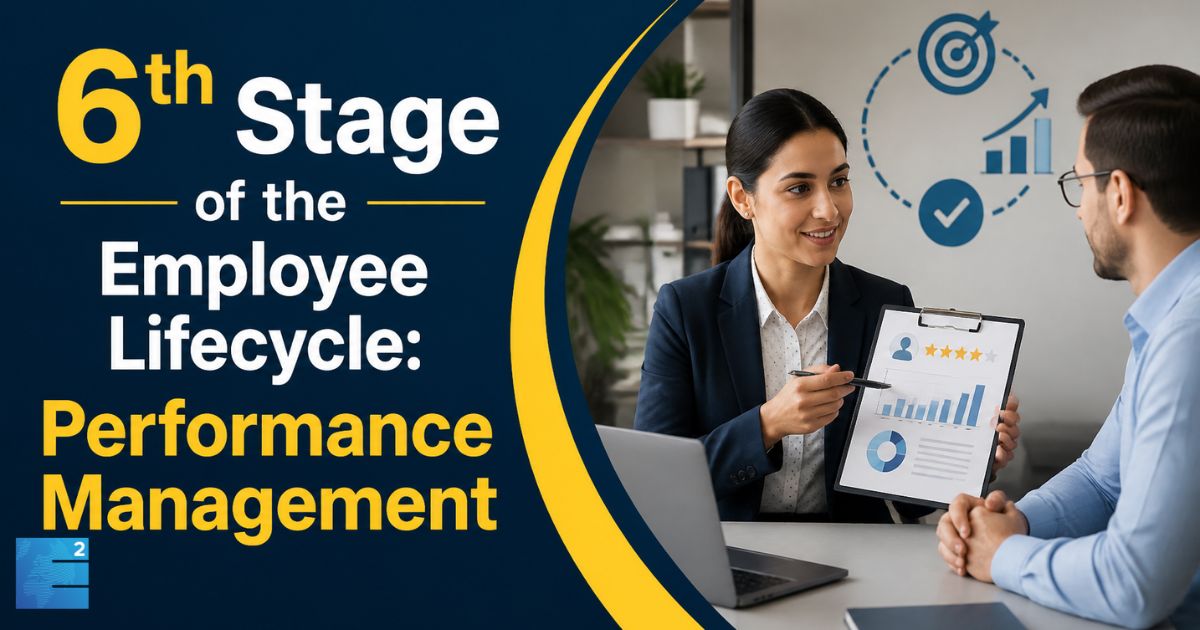
Performance management establishes structure around expectations for performance (e.g., goals), establishing regular dialogue with respect to performance (e.g., feedback), and ensuring accountability for achieving expectations (e.g., evaluations). Performance management assists employees in understanding what constitutes successful performance and facilitates the conversation between managers and employees with regard to employee performance.
Without established performance structures (e.g., annual review forms) promotions appear random; underperforming employees continue to linger; and high-performing employees may feel unappreciated/unutilized. This stage includes multiple components beyond a single evaluation document. Effective performance management includes setting goals, conducting regular meetings/check-ins/coaching sessions, documenting discussions/feedback/progress towards objectives/goals and discussing development options for improvement. With proper use of performance management tools and systems, organizations establish clearer standards for measuring performance; and create improved decision-making processes related to promotion/increment/pay increases/etc. Conversely, when performance management is performed ineffectively (i.e., casually), decision-making appears subjective/emotional.
When considering a performance-related issue with an employee without evidence/documentation, addressing the issue effectively is nearly impossible. Documenting performance concerns ensures that both parties involved are treated equally/fairly. In addition to fairness documentation aids in future reference during decision-making related to increases/promotions/training needs/exits. In many instances, poorly executed documentation is the primary cause behind performance management disputes becoming strained/tense/ unresolved.
👉 Discover how our HR solutions can improve your workforce performance.
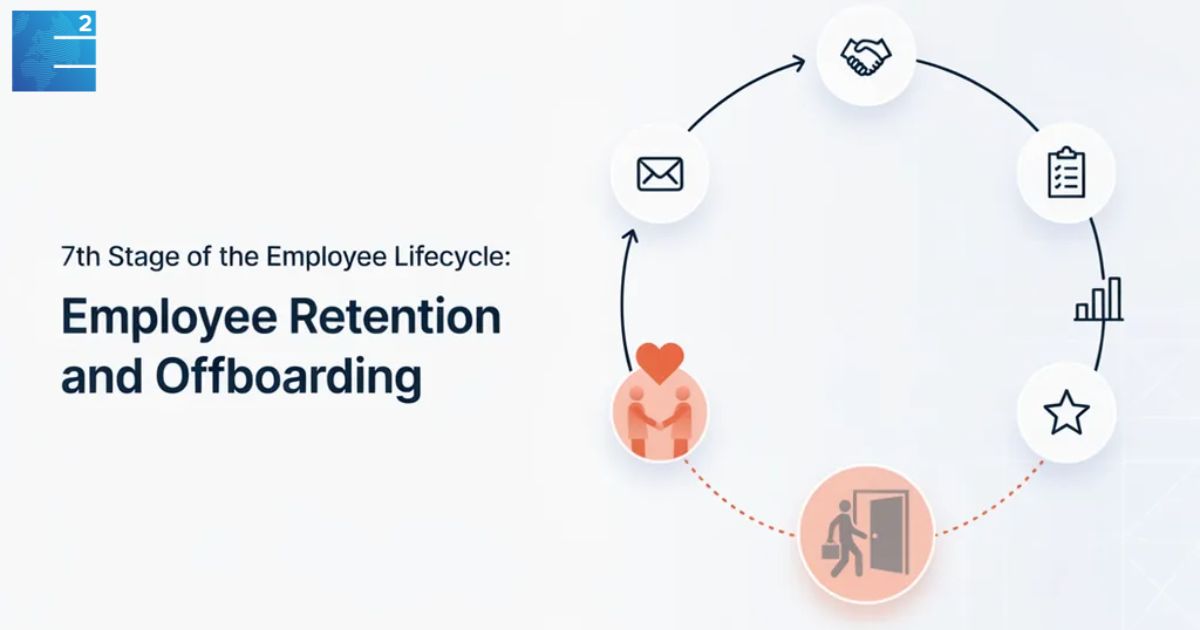
Retention and offboarding are two sides of the same coin. Retention involves ensuring you keep the right people employed for a long time. Offboarding ensures a good end to an Employee’s employment; i.e., respectful, clear and proper. Together they protect your business’ knowledge base, culture, payroll accuracy and reputation.
A good exit is just as important as a good entrance. Properly handing over final tasks, removing system access, closing payroll accounts, updating records and communicating professionally will impact how credible your business appears. Many times this concludes with an Exit Interview. An Exit Interview conducted honestly and maturely can provide valuable insights into the experiences of your departing Employee.
A disorganized departure causes rapid loss of trust. It can cause problems with payroll processing, affect the integrity of documentation, affect team morale, and lead to unnecessary disputes. Good offboarding is not simply about exiting. It is about maintaining continuity, maintaining professionalism during the transition period, and creating opportunities for feedback from the departing Employee regarding his/her Experience prior to termination.
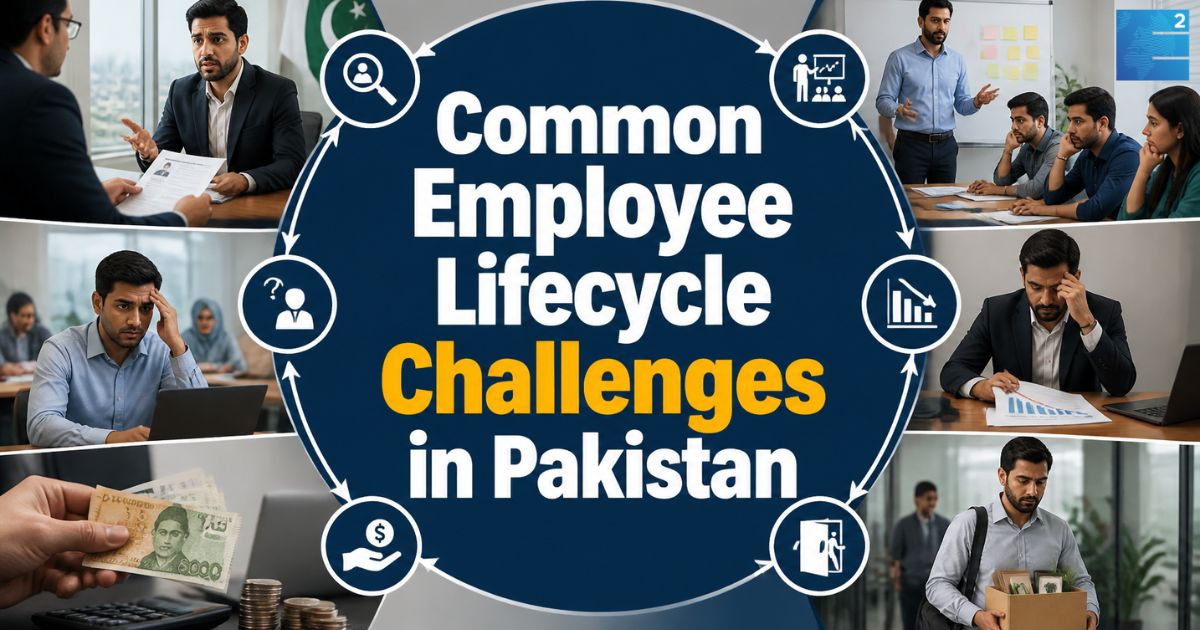
Fragmentation is a major issue in Pakistan. Typically there is a lack of coordination between the various stages of an Employee’s Lifecycle (hiring, payroll, HR records, engagement and exiting) causing inefficiencies and inconsistencies. Informality is another major challenge facing Pakistani businesses. Verbal communication remains the primary method of instruction for some organizations. Additionally, as organizations expand (in terms of size), manual systems are unable to accommodate new hires effectively.
At first glance, using manual processes seems cost-effective. However, as time progresses these processes typically become cumbersome. Files disappear. Follow-up communications are delayed. Payroll input arrives late. There is a lack of completion for exit details. Therefore, businesses often realize issues related to lifecycles after expansion has taken place. Issues surrounding lifecycles are not caused by expansion. They are caused by a lack of structure within expansion.
Good Lifecycle management starts with definition. Clearly define each role. Standardize each step of the hiring process. Create checklists for onboarding. Keep performance history up-to-date. Treat exits with respect. Each of these basic principles provides structural elements to facilitate less ambiguity and enhance the overall Employee Experience significantly more than most high-priced HR catchphrases.
An additional principle of successful Lifecycle management includes integration. Hr, payroll, managers and operations should be working together toward the same Employee Lifecycle journey. If these entities are functioning independently, then the Lifecycle will function poorly. Sometimes, utilizing managed-service/HR-outsourced support can assist in aligning fragmented processes into a cohesive organizational model.
Organizations typically value the creative spirit of improvisation highly. Consistency wins more frequently in Lifecycle management. Repeated processes produce fewer unexpected events, cleaner outcomes and increased Employee trust in systems that operate consistently throughout the organization. Consistency may seem dull, but it is among the greatest measures of operational maturity.
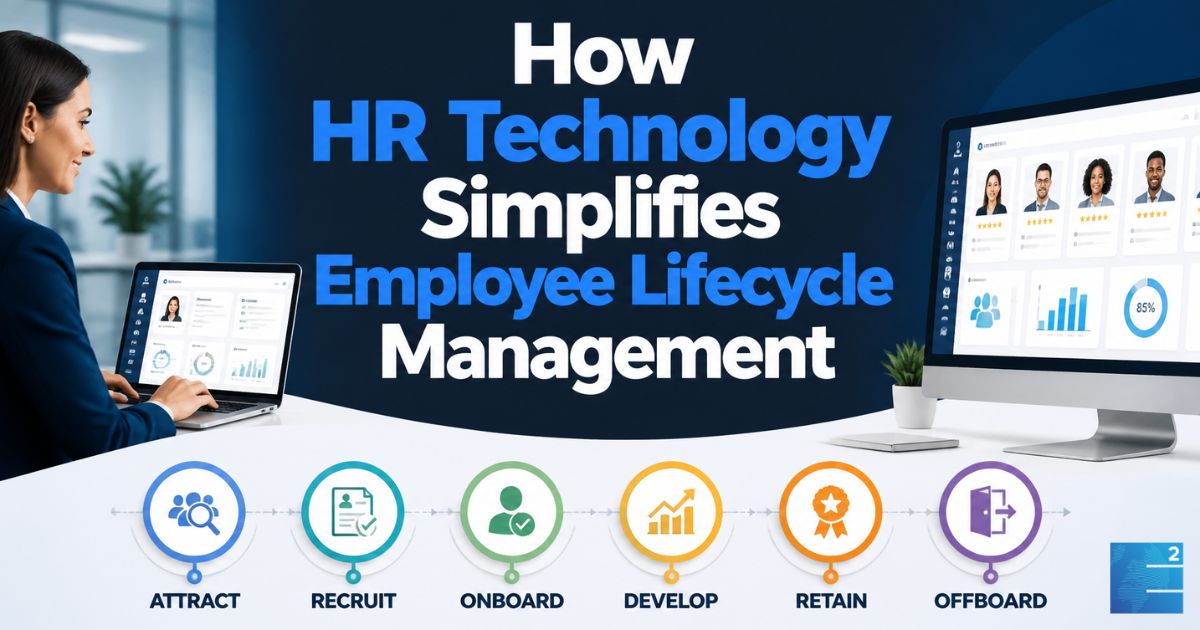
Hr Technology facilitates Lifecycle management by integrating all aspects of an Employee’s life cycle including records, leave requests, attendance, payroll approval and Employee documentation into a single platform. Good HR automation removes redundant manual processes and enhances visibility for teams. By enabling managers to respond quicker due to the ease of locating and verifying data, it also facilitates timely action.
Software cannot solve cultural issues by itself; however, software can eliminate obstacles in providing effective Lifecycle management through streamlined processes. Strong systems allow for clean onboarding processes, smooth payroll handoff processes, quick document updates and tight exit controls. Used correctly it enables greater efficiency in completing administrative tasks while increasing Employee confidence in the process.
Digital platforms establish a central source of truth. This is particularly important as organizations grow or have employees working across geographically dispersed areas. Without a centralized source of truth, the same Employee could appear differently in various areas (hr files, payroll records and manager notes). Technology eliminates these discrepancies and allows organizations to maintain a consistent Lifecycle from beginning to end.
👉 Schedule a free consultation to explore our HRMS and payroll solutions.
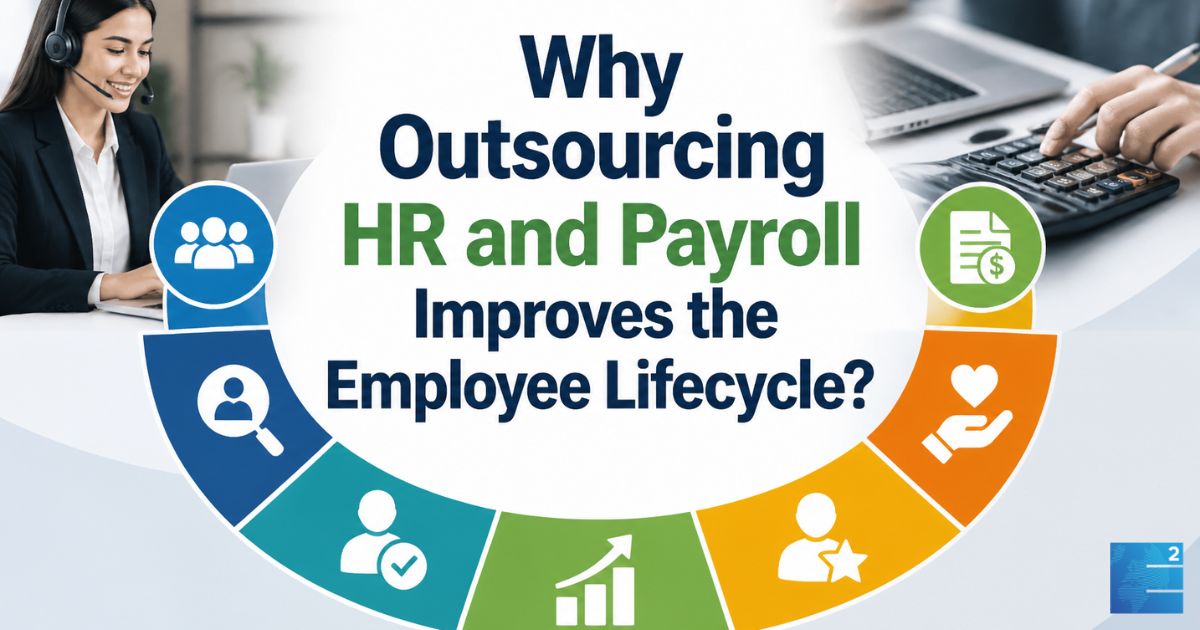
When organizations need assistance in managing disparate parts of their Lifecycle internally due to limited resources or inconsistency; Outsourcing can assist in improving the Lifecycle by bringing discipline to processes, synchronizing payroll practices with existing HR practices and providing onboarding/offboarding structure. Utilizing Outsourcing services can be beneficial for international employers hiring employees in Pakistan or domestic employers expanding rapidly beyond their current HR capabilities.
This is where HR Outsourcing relates to service models such as Employer of Record (EOR). EOR models provide employers with mechanisms to better manage the hiring process, creation/maintenance of Employee records, payroll administration and compliance requirements associated with employing personnel. When a suitable outsourced partner exists for an employer’s needs, Outsourcing does not diminish control; rather it usually increases it.
Specialist partners see the lifecycle from start to finish. This broader perspective can help eliminate handoffs in employee onboarding, payrolls, and other processes throughout the lifecycle by creating a steady flow of support.
👉 Speak with our HR outsourcing specialists today.
Employee Lifecycle Management in Pakistan is more than an HR function. It is a long-term strategy that supports every employee from hiring to separation. Organisations that invest in structured HR processes, legal compliance, employee development, and modern technology create a stronger workforce and a better Employee Experience. By combining effective Workforce Management, reliable Payroll Management, and professional HR practices, businesses in Pakistan and international employers can improve productivity, retain talented employees, and achieve sustainable business growth.
✅ Get in touch today for a free consultation and discover how we can simplify your HR operations.
The 7 stages are Attraction, Recruitment, Onboarding, Development, Retention, Separation (Offboarding), and Alumni. They represent an employee’s journey from hiring to leaving the organization.
Onboarding is the process of integrating new employees into the company, while offboarding is the structured process of managing an employee’s exit, including knowledge transfer and return of company assets.
The 5 C’s of onboarding are Compliance, Clarification, Culture, Connection, and Check-back, ensuring new employees adapt successfully to their roles.
The 4 phases of onboarding are Pre-boarding, Orientation, Role-specific Training, and Ongoing Integration, helping employees become productive and engaged.

Explore our EOR, payroll and HR services across our key markets. Learn about employment contracts, labor laws and hiring requirements.




Get a free consultation on EOR, payroll and recruitment services tailored to your business needs.