Employee Compensation & Benefits in Pakistan: Complete Guide for Employers (2026) Employee compensation and benefits in Pakistan play a critical role in attracting, retaining and managing a productive workforce in 2026. A well-designed compensation structure goes beyond monthly salaries and includes statutory benefits, incentives, medical coverage, paid leave and other forms of employee support. Today, […]

Employee compensation and benefits in Pakistan play a critical role in attracting, retaining and managing a productive workforce in 2026. A well-designed compensation structure goes beyond monthly salaries and includes statutory benefits, incentives, medical coverage, paid leave and other forms of employee support.
Today, businesses are increasingly focusing on employee benefits, total compensation, payroll compliance, compensation strategy and long-term workforce stability to remain competitive in the market. Whether you are a local employer or an international company hiring in Pakistan, understanding compensation laws, benefit structures, and HR best practices is essential for building a compliant, motivated and high-performing workforce while reducing operational and legal risks.
👉 Speak with our HR experts to build a compensation strategy tailored to your business
What exactly does compensation and benefits mean to an employer? Compensation and benefits mean every single thing that you provide to your employee as a result of their work. Compensation and benefits include compensation, cash payments, Incentives and the broader employee benefits program that provides additional support to the employee in addition to their monthly payment.
In Pakistan, most employer packages have two layers. One layer is a financial layer. The second layer is a statutory and optional layer. When you put the two together, you form a real compensation and benefit package for your employee, not just a salary line item in an agreement.
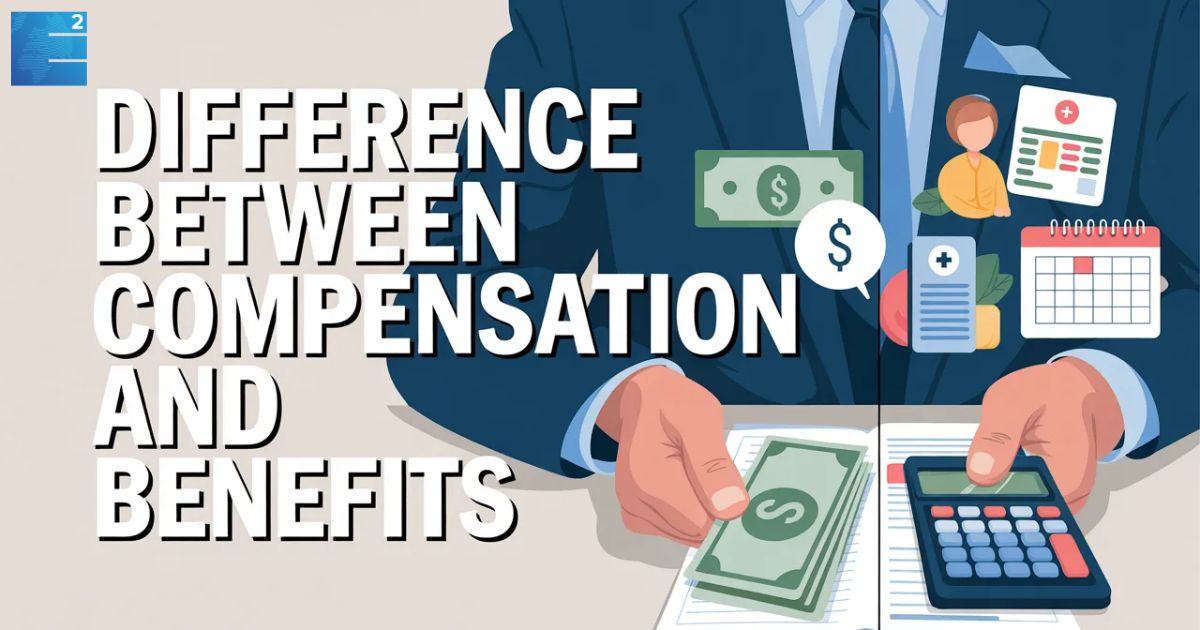
Once you eliminate all of the HR jargon, the differences between compensation and benefits is very easy to understand. Compensation refers to the amount of money the employee receives directly. Benefits refer to the things the employee receive related to their pay, including leave, medical coverage, pension protection and other forms of structured support.
The difference matters since salary will never tell the complete picture. two companies may offer a new hire the exact same salary, but if there is a big difference in leave, medical support, pension options etc., the new hire will likely go with the company that offers the best benefit package. This is when salary and benefits start becoming a true business lever.
HR professionals will often break down compensation into two basic areas. Direct compensation includes salary, bonuses, and all forms of cash Incentives. Indirect compensation includes benefits, paid time-off and all non-cash forms of support that enhance an employee’s overall compensation package.
A good employer does not view the two as competitive. Rather, a good employer views both as part of a solid compensation plan. When direct and indirect compensation work together to create a solid compensation package, the employer can develop better compensation planning strategies for its employees, while providing its employees with a more legitimate value proposition.

Direct pay represents the “visible” portion of the equation. Base salaries represent One portion. Overtime pay represents another. Commissions represent a third portion. Variable compensation plans represent yet another. And lastly, formal Bonus structures represent a final portion. In sales-oriented organizations, sales compensation and incentive pay are typically far more influential upon employee behavior than base pay.
This is often where many employers begin to understand how compensation works in practice. If direct compensation is unclear, then so too will be payroll. But if direct compensation is clear then so too will be contracts; approvals; and performance discussions. Therefore, direct-compensation language needs to be clear from day One in the first job offer letter. (download1.fbr.gov.pk)
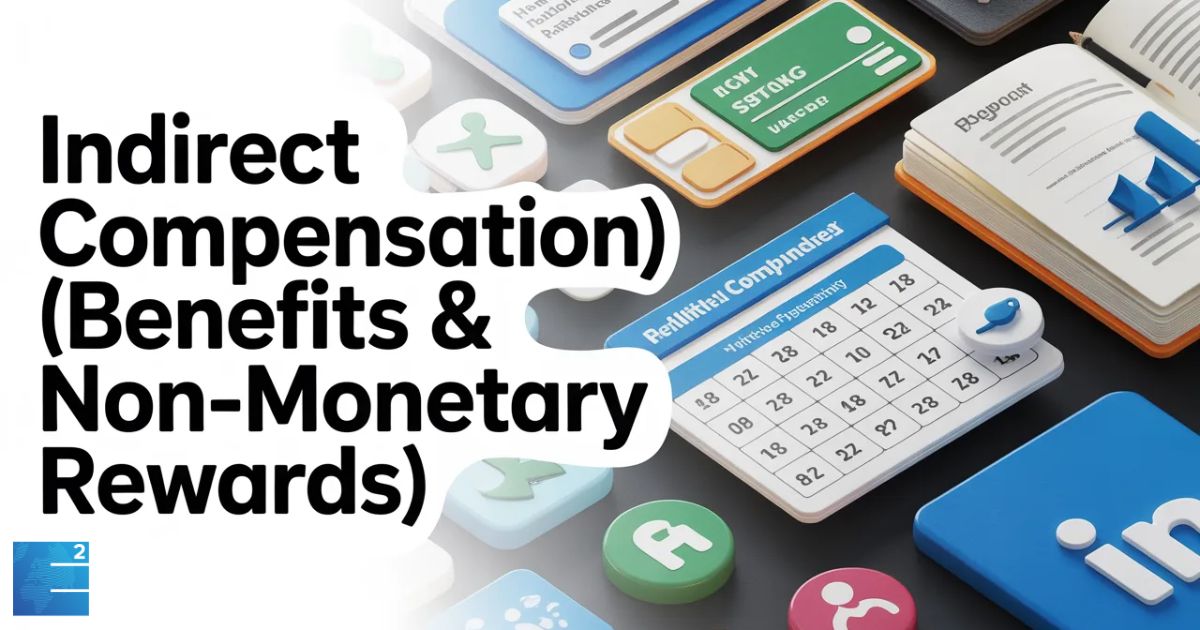
While indirect value may hide in plain sight, it encompasses leave policies; employer-supported medical costs; retirement-based protections; learning opportunities; and everyday conveniences that remove friction from work. These are employee perks; fringe benefits; and non-monetary Incentives that contribute to creating a thoughtfully created versus mechanically constructed employee package.
Many employers underestimate the value of this layer. However, strong indirect-value contributions improve employee motivation; and indirectly support a superior talent-retention strategy. While statutory benefits provide a foundation for most employees in Pakistan, employers can strengthen this foundation by adding Voluntary components that differentiate their long-term employment propositions.
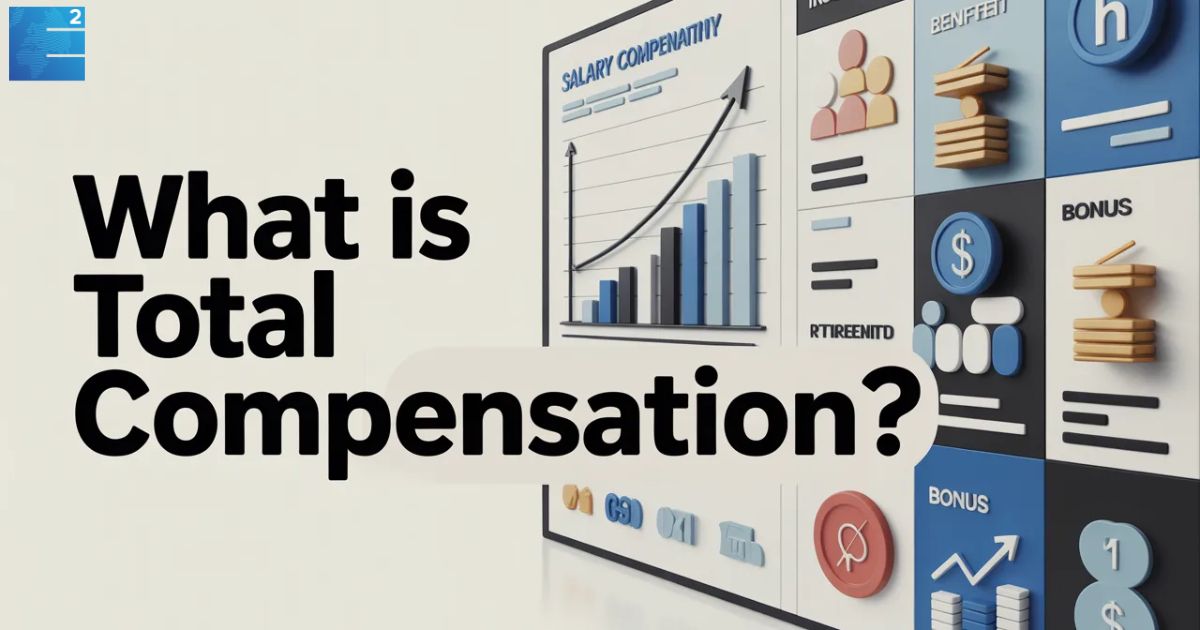
Total compensation simply defined is as follows: add-up an employee’s base salary, Incentives provided to them, their entitlements to statutory benefits through their employer; and any additional funding that the employer contributes towards employee-benefits programs outside of mandatory-statutory programs.
As an employer tool for determining total compensation is useful for developing offer designs; estimating costs associated with recruiting staff; comparing market offerings; and presenting full value to employees. As presented in a manner that makes sense to employees; managers can evaluate positions based on comparable factors other than guesswork or office experience.
| Element of total compensation | Element of total compensation |
|---|---|
| Base pay | Core monthly earning |
| Variable pay | Bonus, incentive, overtime |
| Statutory benefits | EOBI, social security, paid leave |
| Voluntary benefits | Medical top-ups, transport, wellness |
| Non-cash support | Flexibility, learning, recognition |
When employers inquire regarding various categories of employee benefits, the simplest response would be to group those categories into four broad categories: statutory, Voluntary, monetary, and non-monetary. Within Pakistan, many statutory categories include EOBI; provincial social security programs and paid-legal leave provisions contained in relevant provincial labor laws.
Above this statutory base are Voluntary benefits. Some examples of Voluntary benefits include health insurance benefits; commuting assistance; meals provided on-site; flexible work arrangements; and wellness programs. Together, these four categories comprise all categories of employee benefits available to employees at any organization; thereby allowing employers to articulate their value proposition in a more understandable way.
First, we start with the legal obligations which set the standard. For covered employers, there are generally two types of benefits that need to be included as part of the payroll – an old age benefit and a social security contribution, depending on the province; similarly, wage and leave regulations will influence the real purchasing power of an offer of formal employment. This is the foundation of compulsory employee benefits within the local environment.
Herein lies the importance of designing from a compliance perspective. If statutory benefits are overlooked, the entire program will be unstable regardless of how alluring the headline salary might appear. Only good employers place their legal entitlements at the forefront of their HR strategies and add optional extras around these entitlements.
👉 Learn how our Payroll & HR Compliance solutions simplify workforce management
It is here that employers can demonstrate individuality. Fringe benefits can comprise additional health insurance coverage, transport reimbursement, meal vouchers, remote working allowances, assistance with educational costs related to children, and other modest improvements to day-to-day work that enhance the overall quality of work-life. These elements frequently contribute significantly to making an employee’s package remembered.
Therefore, for businesses seeking to develop competitive compensation packages for retaining employees, it is not always the case that more costly fringe benefits are preferable. Practical, visible and communicated fringe benefits often surpass vague commitments. Frequently, a functional fringe package is superior to a marginally increased salary as it enhances the quality of day-to-day work life rather than simply increasing the amount shown on the payslip.
To provide a straightforward response to why compensation and benefits are crucial to business success, the response is: they determine the quality of hires, retention and an organization’s reputation among potential talent. Poorly constructed packages create turnover, thereby creating greater difficulty in filling available positions. High-quality packages promote stability and enhance an organization’s reputation in the labor market.
In addition, compensation packages link directly to how to keep employees. Employees do not typically remain due to salaries alone. Employees remain when they believe their pay is commensurate with their contributions, when opportunities for advancement exist and when support exists. A total rewards strategy provides employers with flexibility to create this perception without overpaying unnecessarily.
The best method for developing a compensation package strategy is not duplicating what competitors are doing. First, understand your roles, the relevant market conditions, your risk profile and the experience you wish employees to experience. Sound compensation planning starts by using logic based on job requirements, affordability constraints, statutory obligations and desired employee experiences.
Subsequently, consider structure. A sound compensation planning process establishes alignment between pay bands, benefits, performance logic and internal fairness. As such, salary benchmarking, pay equity and establishing a reasonable pay structure assist employers in creating order rather than making ad-hoc decision-making processes in haste.
👉 Contact e-square Global Partners for customized compensation, payroll and HR advisory services
Compensation development ultimately leads to payroll development. Salary, allowances and benefits will impact taxable income, withholdings and reporting requirements. In Pakistan, employment income is subject to taxation under the salaries head and employers are required to withhold and remit taxes as part of payroll administration.
Thus, as businesses evaluate salary packaging options, they should concurrently evaluate the compliance implications associated therewith. Failure to properly classify items results in tax and payroll complexity. An effective compensation package develops clarity in payroll processing, facilitates communications with employees regarding payroll and decreases the likelihood of repeated issues with employee compensation in organizations.
👉 Discover how our payroll experts can help streamline your HR operations

HR departments who plan wisely use data prior to taking action. Useful metrics to monitor include comparison ratio; employee’s internal range position; retention effectiveness; hire acceptance ratios; and total compensation costs. These metrics enable employers to transition from relying solely upon intuition for determining pay adjustments or offer redesigns to measuring results.
This is where compensation KPIs for HR become actionable. Departments that understand how to measure comparison ratios; assess salary ranges penetrated; and analyze their compensation practices periodically typically make better decisions than those that rely solely on anecdotal information from line managers. Data adds discipline to HR’s compensation practice.
| Metric | Why it helps |
|---|---|
| Comparison ratio | Shows pay against midpoint |
| Salary range penetration | Shows position inside pay band |
| Turnover after pay revision | Tests retention effect |
| Offer acceptance rate | Tests market competitiveness |
| Total compensation cost | Shows full employer spend |

How does HR manage compensation and benefits? Simply put: HR takes organizational policies and transforms them into tangible realities for employees. Thus, HR develops compensation systems; ensures fairness; communicates benefit programs; coordinates input into payroll and maintains clarity for both managers and employees regarding the compensation system.
As stated previously, this is why a robust HR-based compensation management framework is critical. When HR works collaboratively with payroll functions, employers achieve enhanced governance; clearer communication and fewer errors regarding employee compensation programs. Conversely, when HR and payroll operate independently of one another, an otherwise satisfactory compensation package may still be perceived as being unclear; inconsistent; or inequitable by employees receiving said compensation package.
e-square provides you with hands-on assistance to get your compensation plan aligned with payroll, benefits, and compliance-related administration issues in Pakistan. That is, we provide you with hands-on assistance for managing payroll processes, maintaining employee records, administering employee benefits, and defining compliant processes for employers in Pakistan-based operations.
e-square assists both local employers based in Pakistan and international employers that hire employees into Pakistan in developing an administratively efficient and compliant employee benefit model to support a strong employee experience while also supporting a stable long-term workforce.
Compensation is what you pay for labor, while employee benefits represent the quality of your workforce. A strong compensation package, combined with a great set of benefits will lead to better hiring decisions, better retention rates and lower business risks. Packages in Pakistan are generally constructed by starting with legally compliant base levels (minimum requirements) and then adding additional value through strategic selection. Establish the solid base and the remainder of the structure will be much stronger.
👉 Schedule a free consultation with our HR specialists today
Compensation is generally divided into direct compensation (salary, bonuses, commissions) and indirect compensation (benefits, insurance, paid leave, incentives). Employee benefits may include health coverage, retirement plans, flexible work arrangements and wellness programs.
The four pillars of compensation are base pay, variable pay, benefits and non-monetary rewards. Together, these pillars help organizations attract, motivate and retain employees effectively.
The four major employee benefits are health benefits, financial benefits, work-life balance benefits and career development benefits. These improve employee satisfaction, productivity and long-term retention.
The three common methods of compensation are salary-based pay, hourly wages and performance-based compensation such as commissions or bonuses. Companies often combine these methods depending on the role and industry.
Examples of compensation include salary, overtime pay, bonuses and commissions. Examples of benefits include health insurance, paid leave, retirement plans, flexible working hours and employee wellness programs.
Compensation and benefits refer to the total rewards employees receive in exchange for their work. This includes direct pay such as salaries and bonuses, along with indirect benefits like health insurance, paid leave and retirement plans.
Compensation and benefits KPIs are metrics used to measure the effectiveness of pay and benefits programs. Common KPIs include coma ratio, employee retention rate, salary competitiveness, benefits utilization and total compensation cost.
No, compensation and benefits are not the same. Compensation refers to direct monetary payments like salary and bonuses, while benefits are non-cash rewards such as insurance, paid leave and wellness programs.
👉 Contact e-square Global Partners today for a free consultation

Explore our EOR, payroll and HR services across our key markets. Learn about employment contracts, labor laws and hiring requirements.




Get a free consultation on EOR, payroll and recruitment services tailored to your business needs.